If your Hilliard home no longer fits the way you live, you are not alone. Some homeowners need more room for work, hobbies, or a growing household, while others are ready for fewer stairs, less upkeep, and a simpler layout. The good news is that Hilliard offers a market and housing mix that make both paths worth considering, and this guide will help you weigh whether it makes more sense to upsize, downsize, or stay put. Let’s dive in.
Why this decision matters in Hilliard
Hilliard remains a community with a strong base of homeowners, which makes move-up and right-size decisions especially relevant. According to the U.S. Census QuickFacts for Hilliard, 68.7% of homes are owner-occupied, the median owner-occupied home value is $385,100, and median monthly owner costs with a mortgage are $2,388.
Those numbers matter because they show how personal and financial this choice can be. Hilliard also has a mix of life stages, with 27.3% of residents under 18, 11.5% age 65 or older, and an average household size of 2.66 people, which means many owners are deciding whether they need more house, less house, or a different kind of house.
The city has also noted that housing needs are changing over time. In its housing study launch announcement, Hilliard said growth since 2010 has been driven by young adults and residents ages 50 to 64, while the number of residents age 65 and older has grown by nearly 70%.
Hilliard market conditions now
If you are planning your next move, today’s market gives you opportunity, but it also calls for a clear strategy. Regional data from Columbus REALTORS® shows a seller-leaning market with 1.7 months of supply in January 2026, a median sale price of $319,900, and 48 median days on market.
For the Hilliard City School District, Columbus REALTORS® market stats reported 68 closings in January 2026, a median sales price of $362,500, 44 days on market, 139 homes for sale, and 1.2 months of inventory. The same report also noted 103 new listings in the city and a year-over-year increase in sales activity.
What does that mean for you? Homes are still moving, but this is not the same rush-everything environment many sellers saw at the pandemic peak. You may have a little more time to shop and plan, but pricing, timing, and preparation still matter.
When upsizing makes sense
Upsizing can be the right move when your current home no longer supports your daily routine. Maybe you need another bedroom, more flexible workspace, a larger yard, or simply more room to host family and friends comfortably.
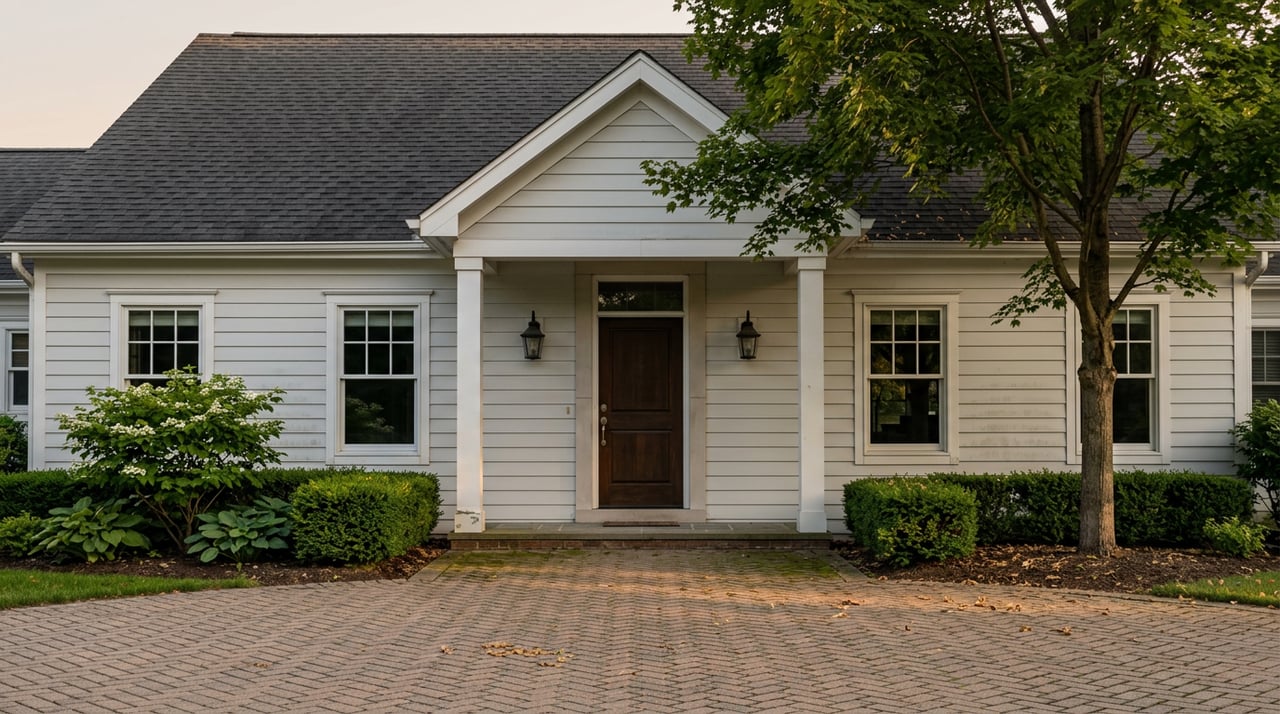
In Hilliard, this is a common question because much of the city’s housing stock already leans toward traditional single-family homes. The city’s community plan says most neighborhoods are made up of single-family homes on roughly quarter-acre lots, with over half of housing built between 1980 and 1999 and another 30% built since 2000.
That can work in your favor if you want to move into a larger or more updated single-family home in a familiar setting. It can also mean you should define what “more space” really means before you start looking, because the difference between your current home and your next one may be smaller than expected unless you expand your budget or adjust your must-have list.
Signs you may be ready to upsize
- Your household has outgrown the current bedroom or bathroom count
- You need dedicated office, fitness, or guest space
- Storage feels tight every day, not just seasonally
- Entertaining at home feels difficult because of layout or square footage
- You plan to stay in the next home long enough to justify a higher monthly payment
The biggest upsizing challenge: monthly payment
For many Hilliard homeowners, the main issue is not desire. It is payment. Even if you have strong equity, your next payment may rise more than expected because both home values and mortgage rates matter.
Freddie Mac’s Primary Mortgage Market Survey put the 30-year fixed mortgage rate at 6.46% on April 2, 2026. Combined with Hilliard’s already meaningful ownership costs, that makes it smart to model your full monthly payment early, including principal, interest, taxes, insurance, and any association fees.
A good planning step is to compare lender quotes before deciding whether to buy first or sell first. If you are upsizing, the right strategy often depends on how much equity you need from your current home and whether you can comfortably carry overlapping costs for a period of time.
When downsizing makes sense
Downsizing is not just about moving into a smaller home. It is often about choosing a home that fits your next chapter better. If you have rooms you rarely use, outdoor upkeep that feels like a burden, or a layout that may become less practical over time, a smaller or lower-maintenance property may offer more freedom.
This decision can be especially relevant in Hilliard because the local housing stock has long skewed toward larger single-family homes. The city’s housing study announcement noted that the most common housing type is single-family homes with four or more bedrooms, which can leave some owners with more space than they need.
Downsizing can also improve your day-to-day budget in ways that go beyond your mortgage. Fewer rooms, less exterior maintenance, and a simpler floor plan may reduce the time and energy you spend managing your home.
Signs you may be ready to downsize
- You regularly use only part of your home
- Yard work or exterior maintenance feels overwhelming
- Stairs or layout limitations are becoming a concern
- You want to free up equity for travel, retirement, or other goals
- You prefer convenience and lower upkeep over extra square footage
Why right-sizing may be the better word
In many cases, the best move is not really upsizing or downsizing. It is right-sizing. That means matching your next home to how you actually live now and how you expect to live in the next several years.
Hilliard’s housing options are evolving, but the supply of lower-maintenance alternatives is still relatively limited compared with traditional suburban homes. The community plan says the city will need more attached housing and smaller-lot options over time, including townhomes, duplexes, multiplexes, and compact single-family homes, especially near commercial or mixed-use centers.
That matters because if you want a smaller home without leaving Hilliard, your choices may not be as broad as they are for standard single-family properties. In other words, right-sizing may require more lead time, more flexibility, or a wider search within the local market.
When staying put may be smarter
Moving is not always the best answer. Sometimes the strongest financial and lifestyle choice is to stay where you are and adapt the home you already own.
This can make sense in Hilliard because compact and mixed-use housing remains a smaller share of the city’s overall housing supply. The community plan notes that mixed-use places make up only about 1% of city land, which helps explain why owners may decide to renovate or reconfigure instead of competing for a limited number of lower-maintenance options.
Staying put may be worth considering if:
- Your location still works well for your routine
- The home can be updated to fit your needs
- A renovation would cost less than buying and moving
- You want to avoid a higher interest rate on a new loan
- Suitable replacement housing is limited right now
How to plan your move timeline
One of the biggest mistakes homeowners make is treating a move like a single date on the calendar. In reality, it is a sequence of decisions that starts long before you list your home or make an offer.
Because current market snapshots show homes often taking around six weeks or more to sell, planning ahead gives you more control. Columbus REALTORS® also noted that sellers should not assume the first weekend will bring the best offer, which is another reason to build in time.
A practical one-to-three-year plan
- Estimate your equity. Understand what your current home may be worth and how much usable equity you may have after selling costs.
- Review financing early. Get a clear sense of what payment range feels comfortable at today’s rates.
- Define your next-home priorities. Separate must-haves from nice-to-haves.
- Start decluttering and repairs. This helps whether you stay, sell soon, or sell later.
- Choose your sequence. Decide whether selling first or buying first better fits your finances and risk tolerance.
Sell first or buy first?
There is no one right answer. The better approach depends on your finances, your comfort level, and the type of home you want next.
If you need the equity from your current home to fund your next purchase, selling first may reduce financial strain. If you can carry two payments temporarily and you need more control over finding the right property, buying first may offer more flexibility.
The key is to make that choice based on real numbers, not guesswork. A thoughtful plan can help you avoid rushed decisions and make your transition feel much more manageable.
Local supports for a lower-maintenance stage
If you are considering a downsize or right-size move later in life, non-housing supports can matter too. Hilliard offers a few resources that may make a lower-maintenance stage feel more connected and convenient.
The Hilliard Social Center serves residents ages 55 and older, and The Well includes dedicated space for older adults and senior pricing. The city also offers a 60+ senior discount on trash collection, which does not solve inventory challenges but can support a simpler day-to-day routine.
Choosing the best path for you
If you are trying to decide what comes next, start with your life, not the listing apps. Think about how you use your home today, how you want to live in the next five to ten years, and what level of payment and maintenance feels comfortable.
Upsize when space and function matter more than minimizing your monthly cost. Downsize when convenience, accessibility, and lower upkeep matter more than extra square footage. Stay put when your location still fits and your current home can be adapted more effectively than replacing it.
If you want a private, data-driven plan for your next move in Hilliard, Cece Miller offers thoughtful guidance, concierge-level preparation, and a tailored strategy built around your goals.
FAQs
What should Hilliard homeowners consider before upsizing?
- Hilliard homeowners should compare the full monthly cost of a larger home, review available equity, and decide whether more space is worth a higher payment in today’s market.
What should Hilliard homeowners consider before downsizing?
- Hilliard homeowners should think about maintenance needs, layout preferences, future accessibility, and whether the local supply of smaller or attached homes matches their goals.
Is Hilliard a good market for selling before buying?
- Hilliard remains a seller-leaning market, but homes may still take several weeks to sell, so selling first can work well when you need equity for your next purchase and want to reduce financial pressure.
Are smaller housing options widely available in Hilliard?
- Hilliard’s housing mix is evolving, but the city’s planning documents show that traditional single-family homes still dominate, so smaller and lower-maintenance options may be more limited.
Should you renovate instead of moving in Hilliard?
- Renovating may make sense if your current location still works well, your home can be adapted to your needs, and comparable replacement housing is limited or more expensive than improving what you already own.