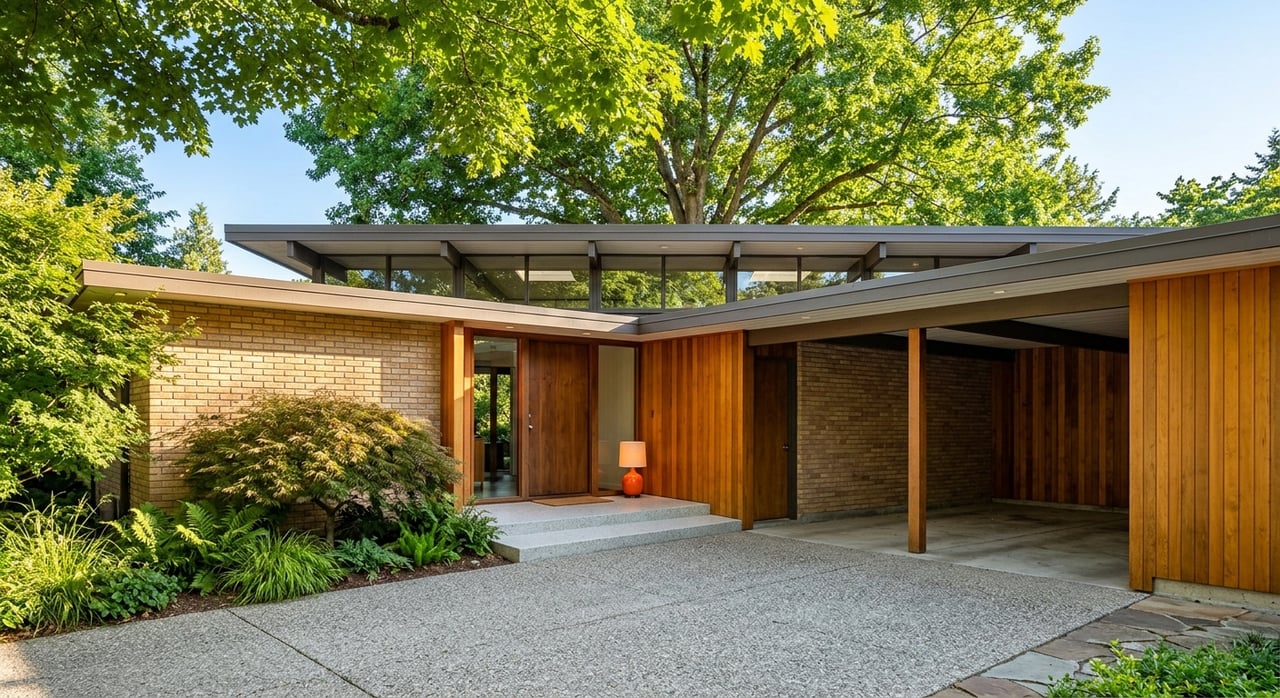
If you own a mid-century home in Upper Arlington, you may be sitting on one of the area’s most marketable property types. Buyers are often drawn to the clean lines, natural light, and easy indoor-outdoor flow that define these homes, but they also want spaces that feel functional today. When you showcase the right features and make smart presentation choices, you can help buyers see both the character and the livability of your home. Let’s dive in.
Why Mid-Century Homes Stand Out
Upper Arlington’s postwar growth created many of the ranch and split-level homes that still shape parts of the 43220 area today. According to the Ohio History Connection, neighborhoods developed in the 1950s and 1960s north of Lane Avenue, including areas such as River Ridge and other postwar sections, often featured ranch houses and split-level designs.
That local history matters when you prepare a home for sale. It gives your property context, helps explain its design, and lets buyers understand that these details are part of a recognizable Upper Arlington housing story rather than something outdated or random.
Highlight the Right Architectural Features
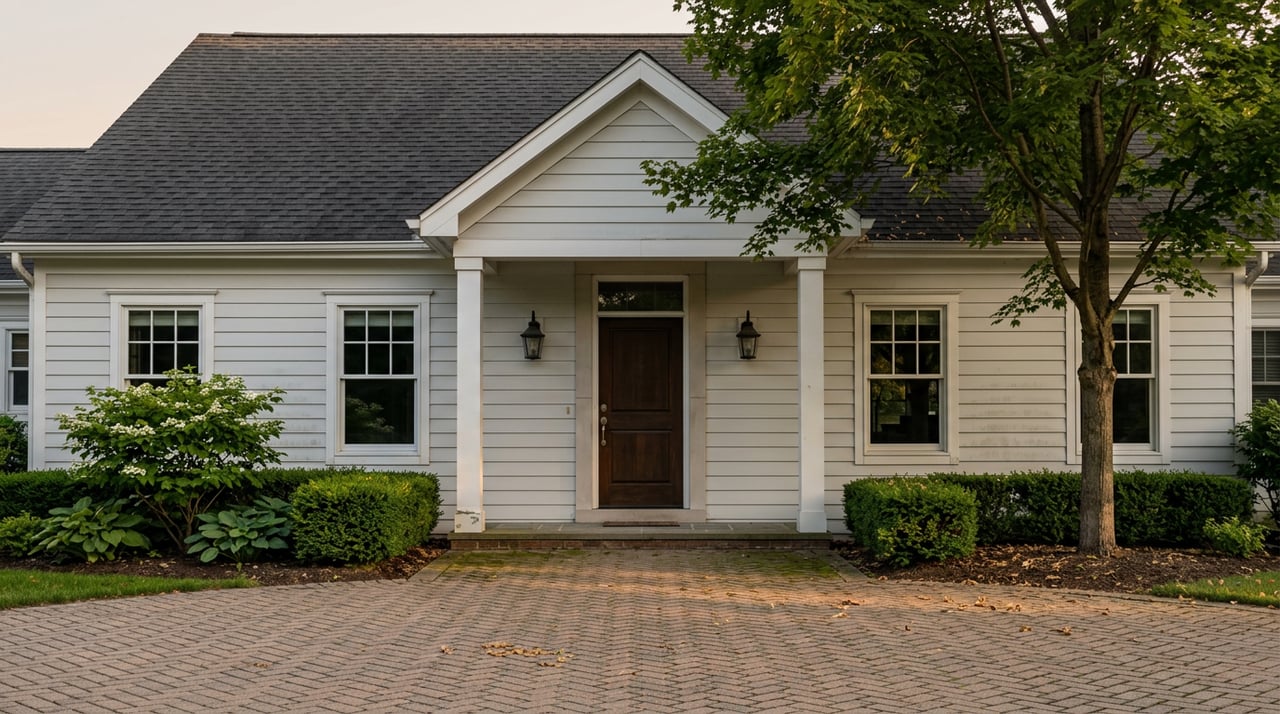
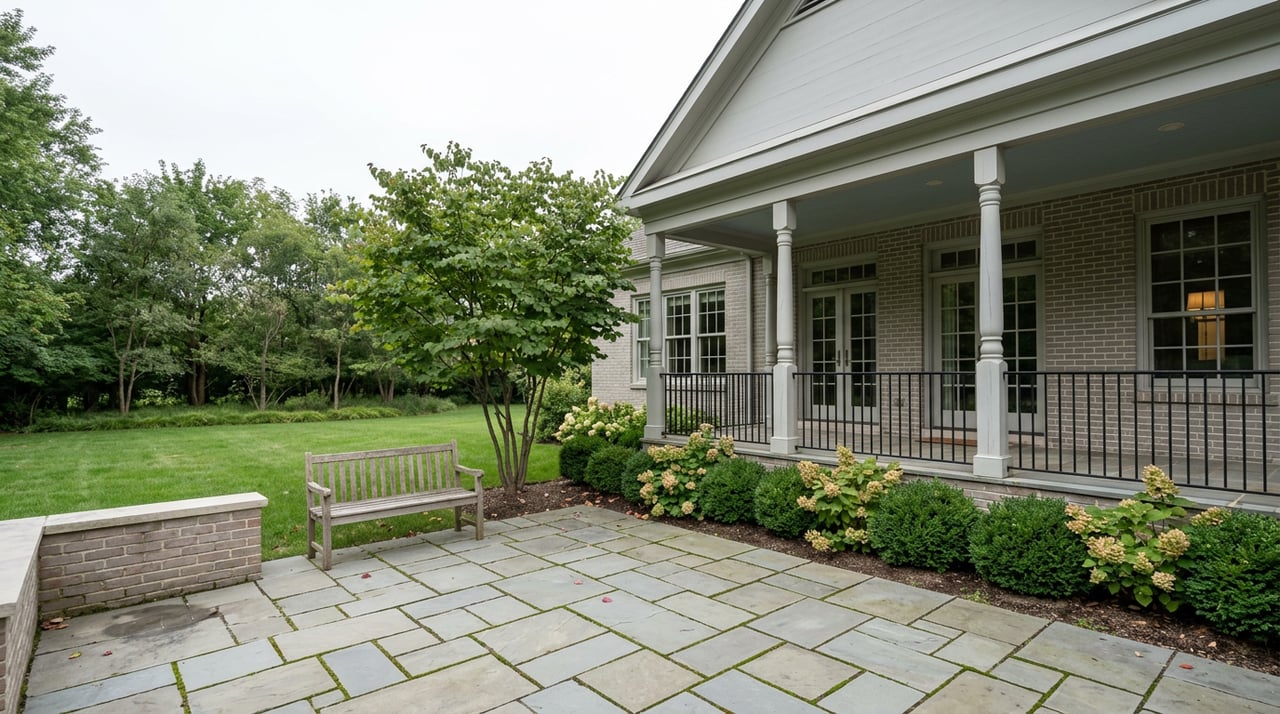
Mid-century homes tend to make their first impression through architecture, not ornament. Common features include low-pitched roofs, overhanging eaves, asymmetrical fronts, large picture windows, sliding glass doors, attached garages or carports, open plans, and rear patios, as noted by the Ohio History Connection.
When you showcase your home, focus on the details buyers can recognize right away:
- Horizontal rooflines and clean exterior shapes
- Large windows that bring in daylight
- Open sightlines between living spaces
- Original brick, woodwork, built-ins, or paneling
- Statement fireplaces
- Patio access and the connection to the yard
These features help buyers understand the home’s design intent. In many cases, the goal is not to make the house look brand new. It is to make its original style feel purposeful, well-kept, and easy to enjoy.
Explain How the Layout Works
One of the biggest strengths of a mid-century home is function. Split-level homes, in particular, were designed to separate living zones, with quieter areas apart from busier family spaces and sleeping areas, according to the Ohio History Connection.
That is a strong story to tell in your listing and during showings. Instead of simply saying the home has a split-level floor plan, help buyers understand how the layout supports everyday life. A clear explanation of how the home flows can make an older floor plan feel intentional and practical.
Preserve What Gives the Home Character
If you are getting ready to sell, it can be tempting to update everything. In many mid-century homes, though, the better strategy is selective improvement.
The National Park Service rehabilitation guidance explains that a historic interior’s character often comes from its floor plan, room proportions, built-ins, finishes, fireplaces, paneling, light fixtures, hardware, flooring, doors, and windows. It also notes that primary living spaces usually deserve more protection, while kitchens and bathrooms are often more flexible areas for updates.
For sellers, that creates a practical framework:
- Preserve the main living spaces when possible
- Keep original details that still add style and function
- Update kitchens and baths carefully if they need better usability
- Avoid removing features that make the home feel distinct
This balance can help you appeal to two groups at once. Buyers who value authenticity can appreciate the preserved design, while buyers focused on convenience can still see that the home works for modern life.
Stage the Architecture, Not Just the Rooms
Staging matters, but for a mid-century home, the goal is slightly different. You are not just filling rooms with attractive furniture. You are making the architecture easier to read.
The National Association of Realtors 2025 Profile of Home Staging found that 83% of buyers’ agents said staging made it easier for buyers to visualize a property as a future home. The same report found that the living room was the most important room to stage, followed by the primary bedroom and kitchen.
That is especially useful in a mid-century property, where the living room often showcases the home’s best features. If you have large windows, a fireplace wall, built-ins, or direct patio access, those should remain visually clear.
Best staging choices
A simple staging plan can make a big difference:
- Remove clutter so sightlines stay open
- Use scaled furniture that does not block windows or circulation
- Keep window treatments minimal
- Let wood, brick, and built-in details stay visible
- Use clean accessories instead of overly ornate decor
- Create a clear visual path to outdoor spaces
This kind of presentation supports the home’s original design. It also helps buyers notice what makes the property different from a more generic listing.
Prioritize Photos, Video, and Tours
Presentation is not limited to in-person showings. It starts online.
NAR’s 2025 staging report found that buyers’ agents considered photos, physical staging, videos, and virtual tours highly important listing tools. For a mid-century home, that matters because style and layout are often best understood visually.
Professional photography should capture the home’s light, lines, and room-to-room flow. Video can help buyers understand split-level transitions or the relationship between interior gathering spaces and patios or backyards. A well-planned visual package gives your home a better chance to stand out before a buyer ever schedules a showing.
Focus on the Updates Buyers Notice Most
You do not need a full remodel to make a strong impression. According to a NAR report on staging outcomes, the most common seller recommendations were decluttering, cleaning the entire home, and improving curb appeal.
Those basics matter because they support the architectural story. Clean windows make daylight more noticeable. A tidy entry and simple landscaping reinforce the home’s lines. A decluttered interior makes the floor plan feel more open and intentional.
If you are deciding where to spend time and money before listing, start here:
- Deep clean every room
- Clear surfaces and remove excess furniture
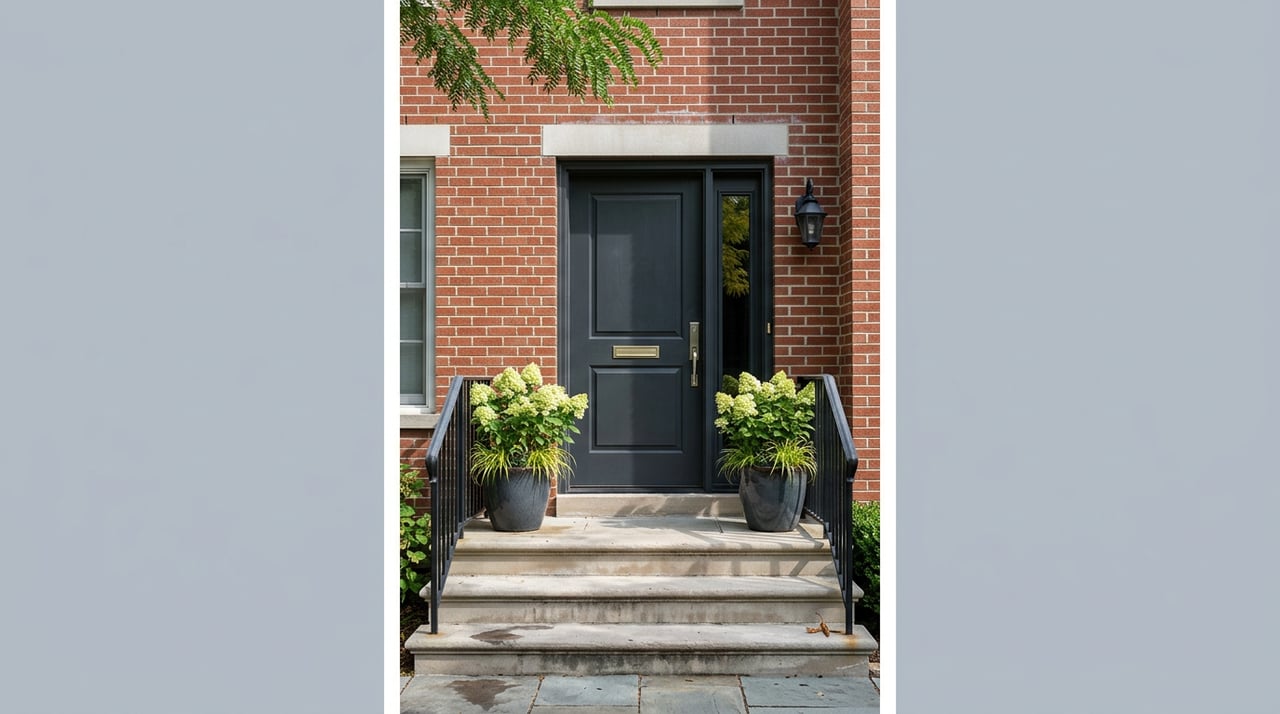
- Refresh curb appeal with neat landscaping and a polished entry
- Make sure lighting works and key design features are visible
- Present updates in plain, factual language
This approach keeps the focus on what buyers can immediately see and appreciate.
Know the Historic District Difference
Not every older home in Upper Arlington is treated the same way. The city notes that the Upper Arlington Historic District was designated in 1985, and contributing structures there require BZAP approval before demolition.
For sellers, that means exterior work and review requirements may differ depending on the parcel. It is wise to confirm your property’s status before making visible exterior changes, especially if you are planning improvements close to listing. That extra step can help you avoid delays and make more informed decisions about what to update.
It is also helpful to distinguish these homes from the postwar mid-century neighborhoods north of Lane Avenue. While both may be older, they do not necessarily follow the same review process or carry the same design considerations.
Why Presentation Matters in Upper Arlington
A careful strategy is especially important in a market where strong presentation can support strong results. The Columbus REALTORS® 2025 annual report reported that the Upper Arlington City School District had a median sold price of $610,000 and an average sold price of $718,013, both up from the prior year. A July 2025 local update showed a year-to-date median sales price of $613,000, 19 days on market, and 101.0% of original list price received.
Those numbers suggest that well-positioned homes can compete effectively when they are presented clearly and priced appropriately. For a mid-century property, that often means telling a more specific story than a standard listing would. Buyers need to see not just square footage and updates, but why the home’s architecture adds value.
A Strong Marketing Story for Your Home
The best message for a mid-century home in Upper Arlington is simple. Preserve what makes it distinct, improve what helps daily living, and present the result with clarity.
That means your marketing should:
- Identify original architectural features worth noticing
- Explain updates without overstating them
- Show how the layout supports modern living
- Use staging and visuals to keep the design easy to understand
- Respect any location-specific review requirements
When that story is done well, your home feels both authentic and current. That is exactly the balance many buyers are looking for.
If you are preparing to sell a mid-century home in Upper Arlington, a thoughtful plan can make all the difference. Cece Miller brings a polished, high-touch approach to staging, visual marketing, and listing strategy so you can present your home with confidence.
FAQs
What features should you highlight in a mid-century home in Upper Arlington?
- Focus on features such as low-pitched rooflines, large windows, open living areas, fireplaces, original wood or brick details, built-ins, and the connection between indoor and outdoor spaces.
How should you stage a mid-century home for sale in Upper Arlington?
- Keep sightlines open, remove clutter, use furniture that fits the scale of the rooms, avoid blocking windows, and make sure original details remain visible.
Should you fully renovate a mid-century home before listing it in Upper Arlington?
- Not always. A selective approach often works better, with preserved character in main living spaces and thoughtful updates in areas like kitchens or bathrooms where function matters most.
What does the Upper Arlington Historic District mean for home updates?
- If your property is in the city’s Historic District, exterior changes or demolition may involve review requirements, so you should confirm your parcel status before making visible alterations.
Why do professional photos and video matter for a mid-century home listing?
- Visual marketing helps buyers understand the home’s layout, light, and design details online, which can be especially important for homes with distinctive architecture.
How is the Upper Arlington market supporting well-presented home sales?
- Recent local reporting showed rising sold prices, about 19 days on market year to date, and 101.0% of original list price received, which points to strong outcomes for homes that are prepared and positioned well.