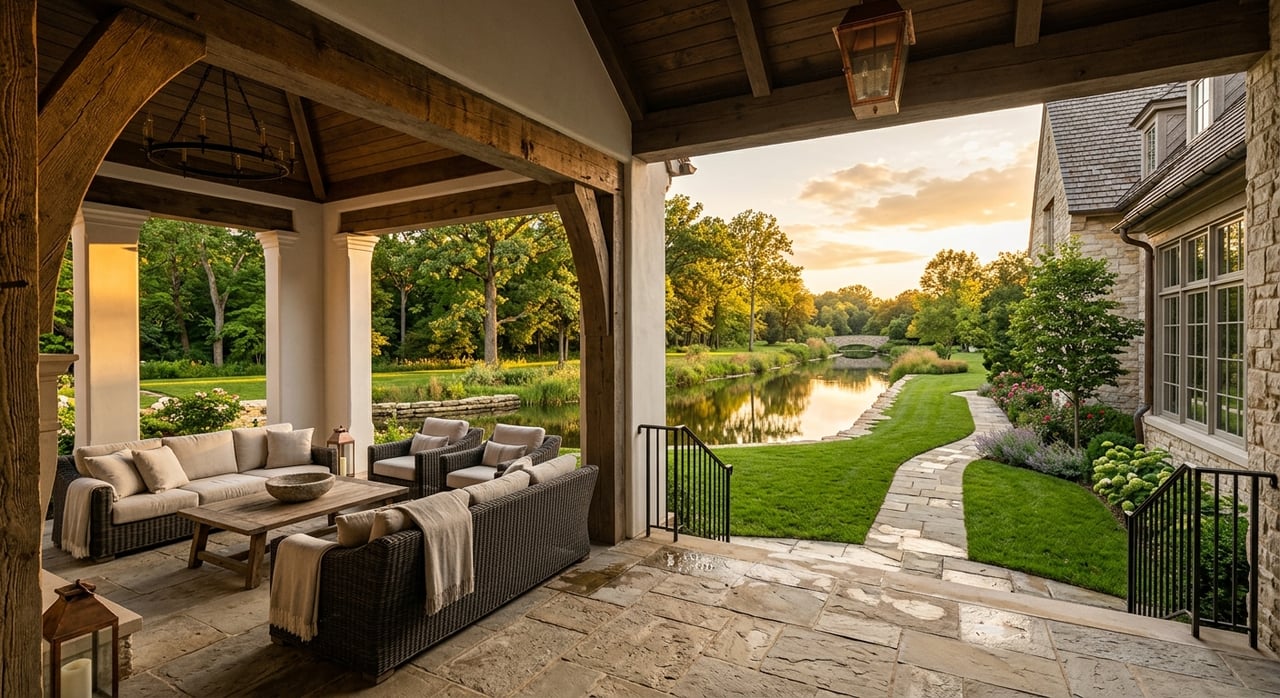
If you love the idea of waking up to water views, fresh air, and a more connected outdoor lifestyle, a Scioto riverfront home can be a remarkable fit. It can also come with design questions that are easy to underestimate, from privacy and drainage to storage, permits, and day-to-day upkeep. When you understand how the riverfront setting shapes the house, you can make smarter choices that support both beauty and comfort. Let’s dive in.
Start With the Site
A riverfront home in the 43221 area is not just about the house itself. The lot, slope, drainage, and public-facing location often shape everyday living just as much as square footage or finishes.
Along the Scioto corridor, nearby communities note that riverbanks can include slopes greater than 25 percent in places, while soils near the river are often well-drained. Local planning guidance also points to limited tree cover in some areas and the value of shade trees for reducing energy use. That means the best home design usually works with the land, not against it, by pairing views with careful grading, planting, and sun control. Dublin’s community plan offers useful context for how the Scioto riverfront functions as both a scenic and environmental asset.
Design for Views and Privacy
One of the biggest riverfront design goals is clear: you want to enjoy the view. At the same time, parts of the Scioto corridor are active public spaces, with trails, overlooks, park connections, and pedestrian activity that can affect how exposed a home feels.
Dublin’s riverfront planning context highlights amenities like Riverside Crossing Park, shared-use paths, overlooks, restrooms, lighting, Wi-Fi, and connections across the river, including The Dublin Link. In Upper Arlington, Riverside Drive planning guidance emphasizes residential character, landscaping, screening, and pedestrian orientation. For you as a buyer or homeowner, that usually points to a layered approach rather than a single solution.
Use Layered Screening
A well-designed riverfront home often balances open sightlines from primary living areas with more privacy at the edges of the lot. Trees, ornamental plantings, fencing where permitted, and thoughtful placement of patios or terraces can help soften direct lines of sight.
This matters most when a home sits near a trail, park edge, or visible stretch of road. You do not necessarily need to block the river to feel private. You often need to shape the view so interior spaces feel protected while outdoor areas still feel open and inviting.
Orient Daily Spaces to the River
Main living rooms, kitchens, breakfast areas, and primary suites often benefit most from river-facing placement. These are the spaces you use every day, so they should capture the strongest natural light and the most meaningful views.
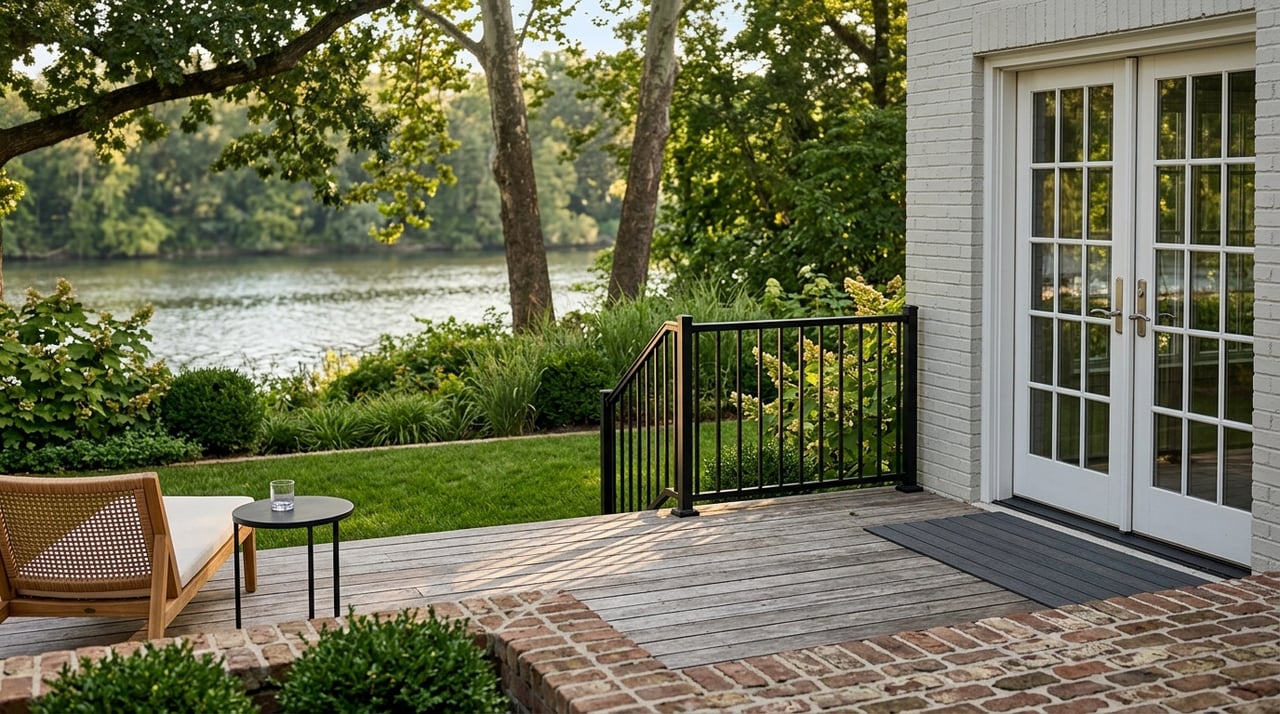
Outdoor rooms matter too. A terrace that works for morning coffee, weeknight dinners, or quiet reading will usually serve you better than a large entertaining area that goes unused most of the year.
Make Outdoor Living Practical
Riverfront living tends to encourage activity, not just scenery. The Scioto supports paddling and recreation, and Dublin identifies access points such as Scioto Park and Emerald Parkway Bridge River Access, along with public spaces that support daily use of the corridor. You can see that local recreational context in this Dublin update on river access and kayaking.
That is why a functional riverfront home should support the reality of wet shoes, bulky gear, and frequent outdoor use. Good design makes those routines easier.
Plan for Mudroom Storage
If you kayak, canoe, walk the nearby paths, or spend time outdoors year-round, storage becomes a design priority. A garage bay, lower-level storage room, or mudroom with durable flooring can help keep equipment organized and mess contained.
Look for features like:
- Closed storage for paddles, life jackets, and seasonal gear
- A hose-down area or easy-clean flooring near an entry
- Built-in benches or cubbies for shoes and outerwear
- Convenient access between outdoor spaces and utility areas
These details may not sound glamorous, but they often have the biggest impact on how easy the home feels to live in every day.
Create Outdoor Rooms You Will Actually Use
Outdoor living works best when it is flexible and low maintenance. Instead of overbuilding, focus on spaces that match your routine.
For many buyers, that means:
- A covered or partially shaded seating area
- Durable surfaces that handle weather well
- Lighting for evening use
- Comfortable access from the kitchen or main living area
- Privacy planting around the perimeter
The goal is simple: make the riverfront feel usable on a Tuesday, not just impressive on a Saturday.
Treat Stormwater as a Lifestyle Issue
On a riverfront lot, drainage is not just an engineering topic. It affects maintenance, usability, erosion, and even how comfortable your yard feels after a storm.
Dublin’s stormwater management guidance encourages low-impact practices that keep water close to its source. Upper Arlington also notes that rain gardens can absorb runoff from roofs, driveways, sidewalks, and lawns while helping reduce flooding and erosion. The same local guidance notes that Franklin County may see up to 30 percent more spring rainfall over the next decade, which makes water management even more relevant for long-term planning.
Smart Drainage Features to Consider
If you are buying, renovating, or planning exterior improvements, practical site features may include:
- Rain gardens
- Permeable paving
- Well-planted downspout discharge areas
- Careful grading away from the house
- Deep-rooted planting in key landscape zones
These features can help the lot recover faster after rain and reduce wear on outdoor spaces. They also support a more polished look by preventing muddy edges and washouts.
Understand Floodplain and Permit Rules Early
Before you finalize plans for a purchase, renovation, or addition, floodplain review should be part of the conversation. This is especially important on or near the Scioto.
According to Dublin’s stormwater and floodplain information, the city has participated in the National Flood Insurance Program since 1980, defines the Special Flood Hazard Area as the 1 percent annual-chance floodplain, and requires a Special Flood Hazard Area Development Permit for work in that area. Dublin also applies a 20-foot buffer to floodways. Franklin County similarly notes permit requirements for development in regulatory floodplains in unincorporated areas.
In Upper Arlington, the Building Division reviews permits and inspections for new and remodeled buildings. For homeowners, that can affect plans for decks, additions, fences, retaining walls, and other exterior changes.
Questions to Ask Before You Buy
If you are considering a riverfront property, ask early:
- Is any part of the lot in a Special Flood Hazard Area?
- What exterior improvements may require city review?
- Are there slope or drainage issues that could affect future projects?
- Where can a deck, patio, or retaining wall be placed?
- How should utility areas and service functions be screened?
These questions can help you avoid costly redesigns later.
Screen Service Areas Thoughtfully
One of the easiest ways to undermine a beautiful riverfront home is to ignore the less glamorous parts of the property. Trash enclosures, mechanical units, and outdoor storage need careful placement.
Dublin’s design guidelines call for mechanical equipment and waste facilities to be screened from public view and placed to the rear where possible. Upper Arlington’s standards also emphasize screening and residential character. On lots near trails, parks, or visible public edges, this becomes especially important.
What Good Screening Looks Like
Effective service-area design often includes:
- Rear or side-yard placement where allowed
- Evergreen or layered planting
- Fencing that complements the home
- Separate storage zones for equipment and outdoor gear
- Clear circulation so service needs do not interrupt living spaces
The result is a home that feels calm, organized, and visually consistent from every angle.
Expect Landscaping to Do More
On a Scioto riverfront property, landscaping is not just decorative. It helps frame views, soften exposure, support drainage, and improve comfort through shade and screening.
Local planning guidance describes the Scioto corridor as part of a broader wildlife and stormwater buffer, with stream buffers helping filter runoff. In practical terms, that means your landscape design may need to work harder than it would on a standard suburban lot. Planting choices and maintenance plans should reflect that reality.
If you are comparing homes, pay attention to whether the yard feels intentionally designed or simply open. A well-planned riverfront landscape can make the property easier to maintain and more enjoyable in every season.
Riverfront Design Should Support Daily Life
The best Scioto riverfront homes are not only beautiful from the back terrace. They are comfortable, functional, and thoughtfully planned for the way you actually live.
That means preserving views without giving up privacy, creating storage for outdoor gear, managing water well, and understanding permit requirements before you commit to changes. When those pieces come together, a riverfront home can feel both refined and remarkably livable.
If you are exploring riverfront opportunities in 43221 or want a thoughtful second opinion on a property’s design potential, Cece Miller offers private, relationship-first guidance tailored to the way you want to live.
FAQs
What should you prioritize when designing a Scioto riverfront home in 43221?
- Focus on views, privacy, drainage, storage, and site conditions first, because those factors shape everyday comfort more than finishes alone.
How do riverfront homes near the Scioto balance views and privacy?
- Many properties use layered landscaping, careful placement of outdoor spaces, and screened lot edges to preserve river views while reducing exposure to nearby roads, trails, or public spaces.
Do floodplain rules affect Scioto riverfront homes in the 43221 area?
- Yes. Depending on the property location, floodplain status may affect permits, development options, and related planning for exterior improvements.
What storage features help with everyday riverfront living?
- Mudrooms, easy-clean entries, garage storage, and closed space for kayaks, paddles, and seasonal gear can make daily routines much easier.
Which exterior projects may need review for a riverfront home near Upper Arlington or Dublin?
- Projects such as additions, decks, fences, retaining walls, and other site changes may require city review, so it is wise to confirm requirements before finalizing plans.
Why is landscaping so important for a Scioto riverfront property?
- Landscaping can help manage runoff, support privacy, reduce heat, stabilize parts of the site, and make outdoor spaces more usable throughout the year.