If you are trying to choose between Powell, Dublin, and Worthington, you are really choosing between three different ways to live in north suburban Columbus. Each city offers access, amenities, and a strong sense of place, but the day-to-day experience can feel very different. This guide breaks down how Powell compares so you can decide which setting fits your lifestyle, priorities, and housing goals best. Let’s dive in.
Powell at a glance
Powell stands out as the most in-transition of the three communities. It has a long-established suburban base, but city planning efforts show clear momentum around downtown redevelopment, including the Village Green master plan, zoning updates, new public parking, and mixed-use projects such as the COhatch campus.
For many buyers, that means Powell offers a mix of familiarity and forward movement. You get the feel of a residential suburb with a town center that is actively evolving, rather than one that feels fully built out.
How Powell feels day to day
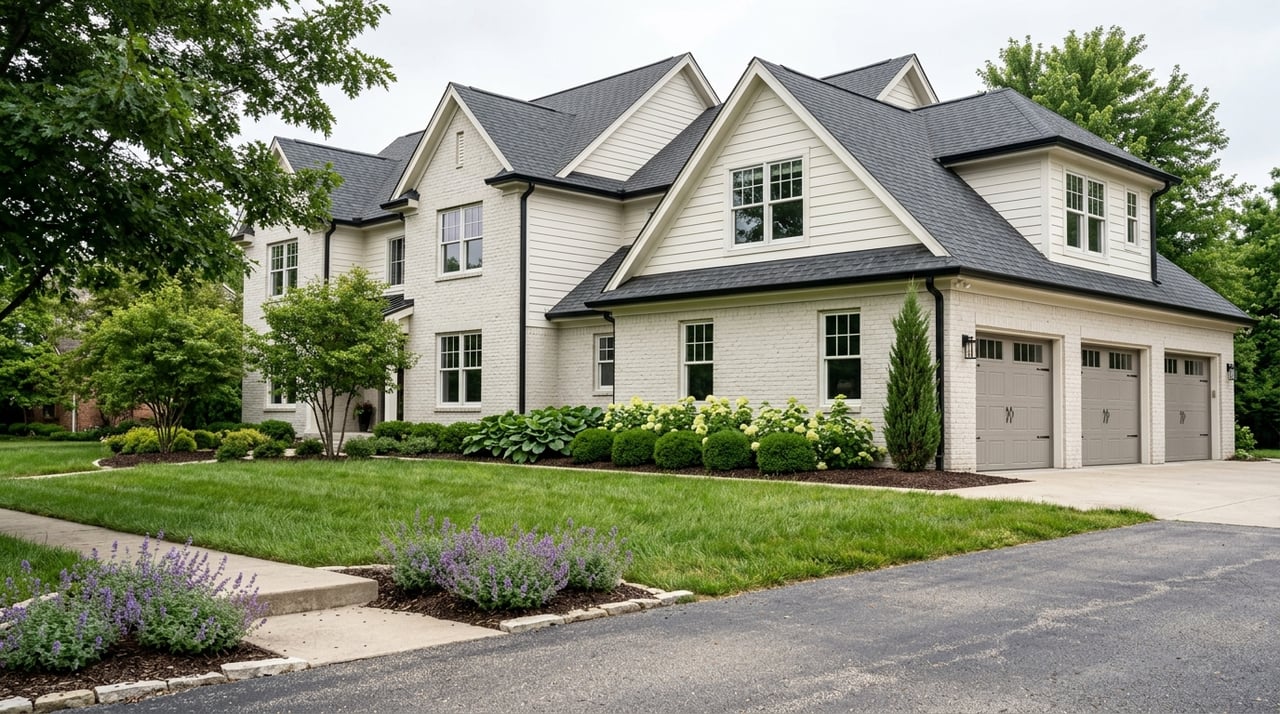
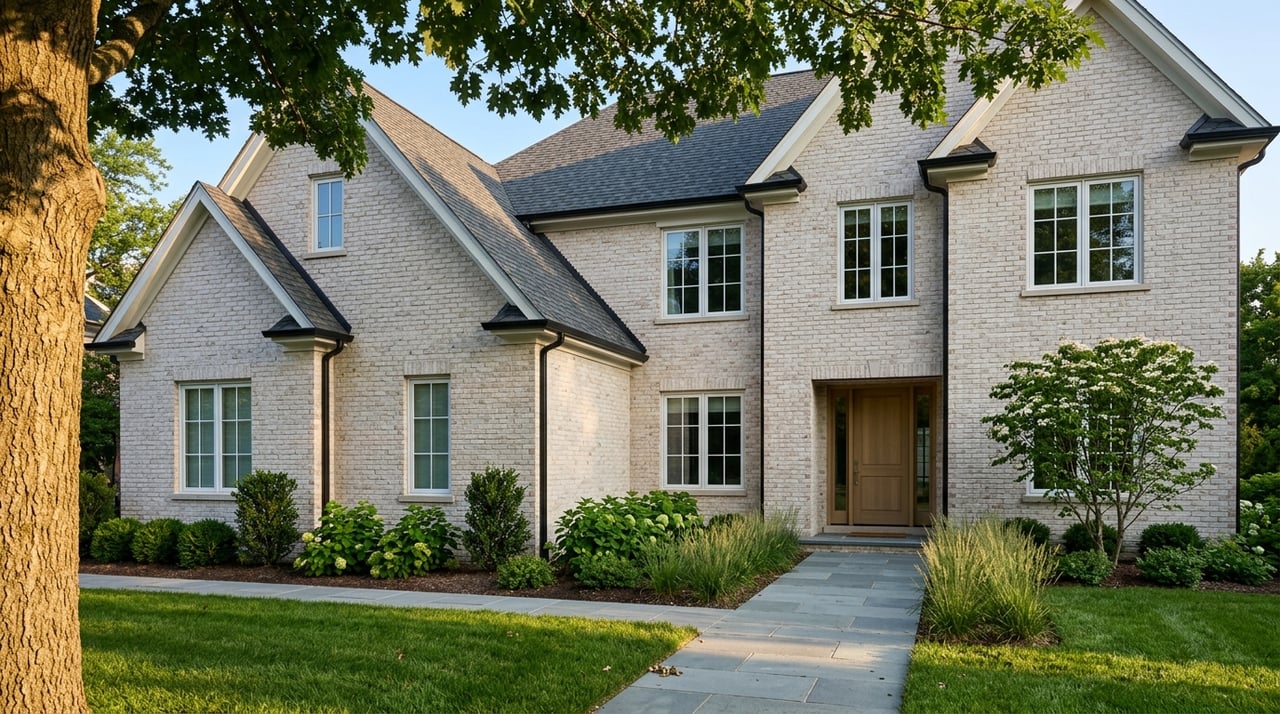
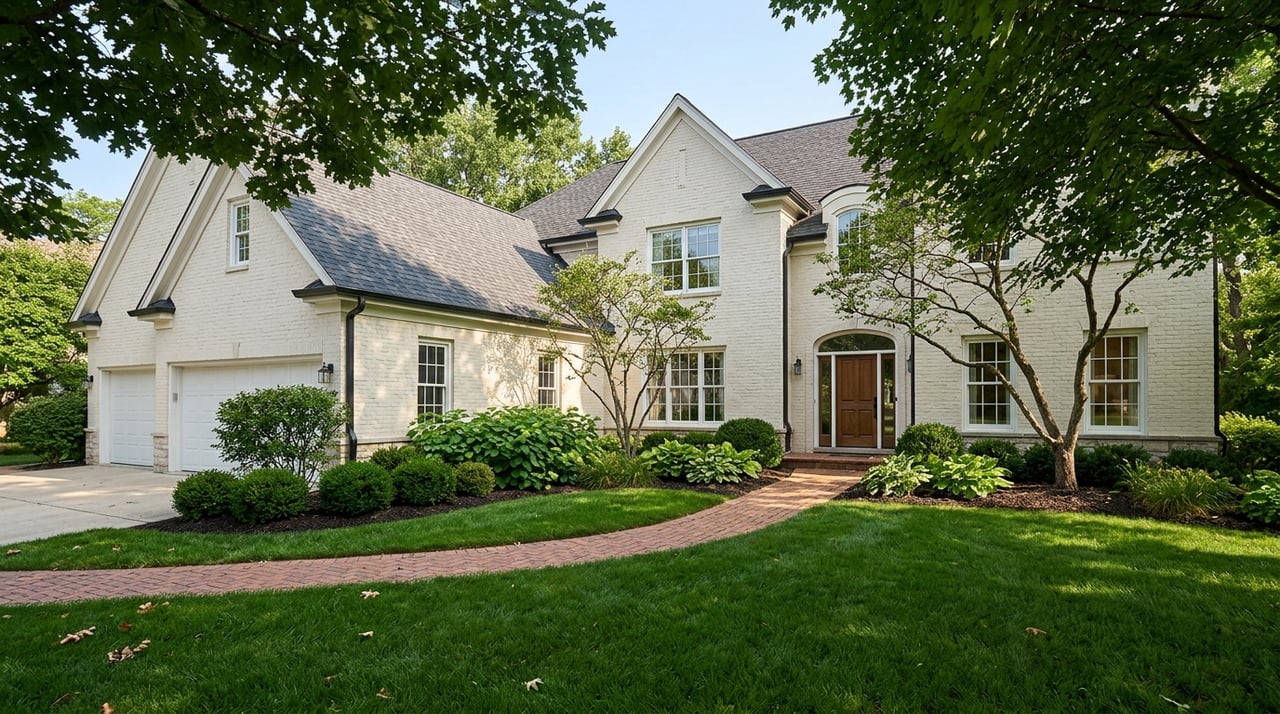
Powell generally feels newer and more subdivision-oriented than Worthington, with a lower-density suburban pattern that has shaped much of its housing history. At the same time, the city is making room for more housing variety in and around the town center, including townhomes, village-style residential lots, multi-family options, and mixed-use buildings.
If you picture your ideal home in a neighborhood with trails, newer homes, and easy drives to daily errands, Powell may feel like a natural fit. If you want a more established urban-suburban blend or a deeply historic village setting, Dublin and Worthington offer different strengths.
Powell vs. Dublin
Housing and neighborhood mix
Dublin offers the broadest housing mix in this comparison. Its Bridge Street District is designed as a walkable mixed-use area within a suburban community, with residential, office-residential, historic residential, and commercial districts all part of the plan.
Powell, by contrast, still leans more heavily toward traditional suburban residential development. Its downtown is expanding into a more mixed-use environment, but that transition is still unfolding. If you want the most diversified live-work-play setup today, Dublin has the edge.
Walkability and activity hubs
Dublin is the most polished in terms of mixed-use lifestyle. Bridge Park and Historic Dublin create a more developed dining, shopping, and entertainment district, connected by the Dublin Link pedestrian bridge.
Powell is becoming more downtown-centered, with local merchants, restaurants, a downtown DORA, free parking, and new public parking expansions. The difference is maturity. Dublin feels more established in this category, while Powell feels like a place where amenities are still being added.
Parks and trails
If parks and trail mileage are a top priority, Dublin is the standout. The city reports more than 1,136 acres of developed parkland, 178 acres of undeveloped parkland, 64 developed parks, and more than 154 miles of bikepath.
Powell’s system is smaller and more neighborhood-oriented, with 114 acres of parkland, seven parks, a splash pad, and 29 miles of interconnecting bike trails. That can still be a major plus if you prefer a more compact, community-centered outdoor experience.
Getting around
Dublin offers a broader mix of regional access and internal connectivity. The city points to access from the Dublin and US 33 I-270 interchange, with OH-161 and Riverside Drive also serving the area, while shared-use paths and pedestrian connections support movement within the city.
Powell is more road-corridor-driven, shaped by SR 750, SR 315, I-270, and US 23. If you are comfortable with a more car-oriented suburban pattern, that may not be a drawback. But if internal walkability is high on your list, Dublin is generally stronger.
Powell vs. Worthington
Historic character and housing supply
Worthington offers the most established and historic-feeling environment of the three. Founded in 1803 around a central village green, it is known for brick sidewalks, original buildings, and a compact downtown identity that has been part of the city’s character for generations.
Powell feels newer by comparison. It is less historic in day-to-day atmosphere and more associated with suburban neighborhoods and ongoing reinvestment. If you want mature streetscapes and a classic village core, Worthington stands apart.
Worthington also has more limited new housing development, according to its 2024 housing assessment, with prices and rents elevated relative to the surrounding area. Powell may offer more flexibility for buyers looking for newer suburban housing patterns and an evolving mix of options.
Downtown experience
Worthington’s downtown feels the most village-like. Historic Downtown Worthington includes shops, restaurants, and services, and the city’s farmers market helps create a strong year-round rhythm in the core.
Powell’s downtown is active but more in transition. It offers local merchants, artisans, antique shops, restaurants, Village Green gathering space, and new additions like the COhatch campus. If you like the idea of buying into a community while its downtown continues to grow, Powell has a compelling story.
Parks and civic spaces
Worthington’s outdoor spaces are smaller in scale than Dublin’s but deeply tied to the historic core. The city maintains more than 221 acres of developed and natural public areas, and the Olentangy River Parklands alone covers 100 acres with more than two miles of multi-use trail.
Powell’s parks system is more compact, but it is well connected to neighborhoods and downtown. Adventure Park, Village Green, and Meadowview give Powell a small-town recreational feel that many buyers appreciate.
Access and parking
Worthington benefits from strong regional access through US 23, SR 161, and nearby I-270, I-71, and SR 315. Its planning work also reflects continued investment in bicycle and pedestrian movement.
That said, Old Worthington parking can tighten during peak times, and the city commissioned a 2026 parking study to guide future management. Powell also focuses heavily on circulation and parking in its downtown planning, but it currently promotes free and convenient parking along with recent public parking expansions.
Where Powell has the advantage
For the right buyer, Powell can hit a very appealing middle ground. It does not try to be the most urbanized suburban center or the oldest historic village. Instead, it offers a residential setting with trails, parks, and a downtown that is steadily becoming more connected and more useful for everyday life.
Powell may be the better fit if you are looking for:
- A newer suburban feel
- Neighborhood-oriented parks and trails
- A town center that is growing and reinvesting
- Free and convenient downtown parking
- A balance of residential calm and improving amenities
When Dublin or Worthington may suit you better
Sometimes the clearest way to choose Powell is to understand when it may not be the top fit. Dublin and Worthington each have a more defined identity today, which can make the choice easier if your priorities are very specific.
Dublin may suit you better if you want:
- The broadest range of housing types
- A stronger live-work-play environment
- The largest park and trail system
- A more mature mix of dining, shopping, and entertainment
Worthington may suit you better if you want:
- A historic village atmosphere
- A compact downtown with long-established character
- Mature streetscapes and civic spaces
- A community with limited new supply and a more established feel
What this means for your home search
If you are deciding between these three communities, the smartest move is to match the city to your lifestyle, not just your price range or commute. Powell, Dublin, and Worthington each serve different priorities well, and none is universally better than the others.
Powell is especially appealing if you want a suburban setting that still feels like it has room to grow into itself. For buyers who value newer housing patterns, trail-linked neighborhoods, and a downtown with visible momentum, Powell offers a strong mix of comfort and future upside.
When you are comparing neighborhoods, streets, and housing options across these markets, local context matters. A tailored search can help you weigh what feels right on paper against what feels right in person. If you want a thoughtful, private conversation about Powell, Dublin, or Worthington, connect with Cece Miller for a personalized market consultation.
FAQs
How does Powell compare to Dublin for walkability?
- Powell is becoming more walkable in its downtown, but Dublin currently offers a more developed mixed-use and pedestrian-oriented environment, especially around Bridge Street District, Bridge Park, and Historic Dublin.
How does Powell compare to Worthington for historic character?
- Powell feels newer and more suburban, while Worthington is the most historic-feeling of the three, with a long-established village green core, brick sidewalks, and original buildings in the downtown area.
Is Powell or Dublin better for parks and trails?
- Dublin has the larger parks and trail network, with more than 1,136 acres of developed parkland and more than 154 miles of bikepath, while Powell offers 114 acres of parkland and 29 miles of interconnecting bike trails in a more compact setting.
Is Powell a good fit if you want newer suburban housing?
- Yes. Powell is the strongest fit in this comparison for buyers who want a newer suburban feel, subdivision-style living, and a downtown area that is still adding mixed-use character and amenities.
How does downtown Powell compare to downtown Worthington?
- Downtown Powell is in a more active phase of reinvestment and expansion, while downtown Worthington has a more established village-like identity with long-standing shops, restaurants, services, and civic gathering spaces.