Thinking about trading Columbus traffic and city pace for a little more space in Plain City? You are not alone. For many Central Ohio buyers, the move comes down to a simple question: will Plain City give you the lifestyle you want without making daily life harder? This guide walks you through what to expect, from commute patterns and housing options to parks, amenities, and the village’s overall feel. Let’s dive in.
Plain City Feels Different From Columbus
The biggest shift you will notice is scale. Plain City is much smaller than Columbus, with an estimated population of 4,383 in the village compared with Columbus at 938,396. That size difference shapes almost everything about daily life, from traffic and noise levels to how quickly you start recognizing local landmarks and routines.
Plain City is also a place that is growing on purpose. Village planning documents show a clear goal: welcome change while preserving a small-town, friendly, safe feel. Uptown features like the Grainery and the historic clocktower are part of that identity, and they help explain why Plain City feels more village-centered than city-centered.
What Your Commute May Look Like
If you work in or around Columbus, your commute will likely feel manageable, but not ultra-short. Plain City’s average travel time to work is reported at 20.5 minutes in one village planning source, while Census Reporter shows a similar 23.1-minute average. Nearly half of commutes fall between 15 and 30 minutes.
In practical terms, many residents use Plain City as a west-side commuter base. A common route pattern runs through I-270 and US-33/161, and route-planning estimates place Plain City about 25 miles from Columbus with drive times around 30 minutes by car. Your exact timing will depend on where in Columbus you are headed and what rush hour looks like that day.
About 13% of workers in the village work from home, according to the transportation plan. If you have a hybrid schedule, Plain City may feel like a strong middle ground between access and breathing room.
Housing Options Are Broader Than Many Buyers Expect
Some buyers assume Plain City means only rural homes or large-acreage properties. In reality, the 43064 area offers a much wider mix. That range is one of the most important things to understand before you move.
Village materials show multiple housing formats in active development. For example, Maren Reserve Townhomes was presented as 226 units on 41.85 acres, while Maren Reserve Single Family was presented as 51 units on 8.362 acres. That tells you growth is happening at different densities, not just through traditional large-lot development.
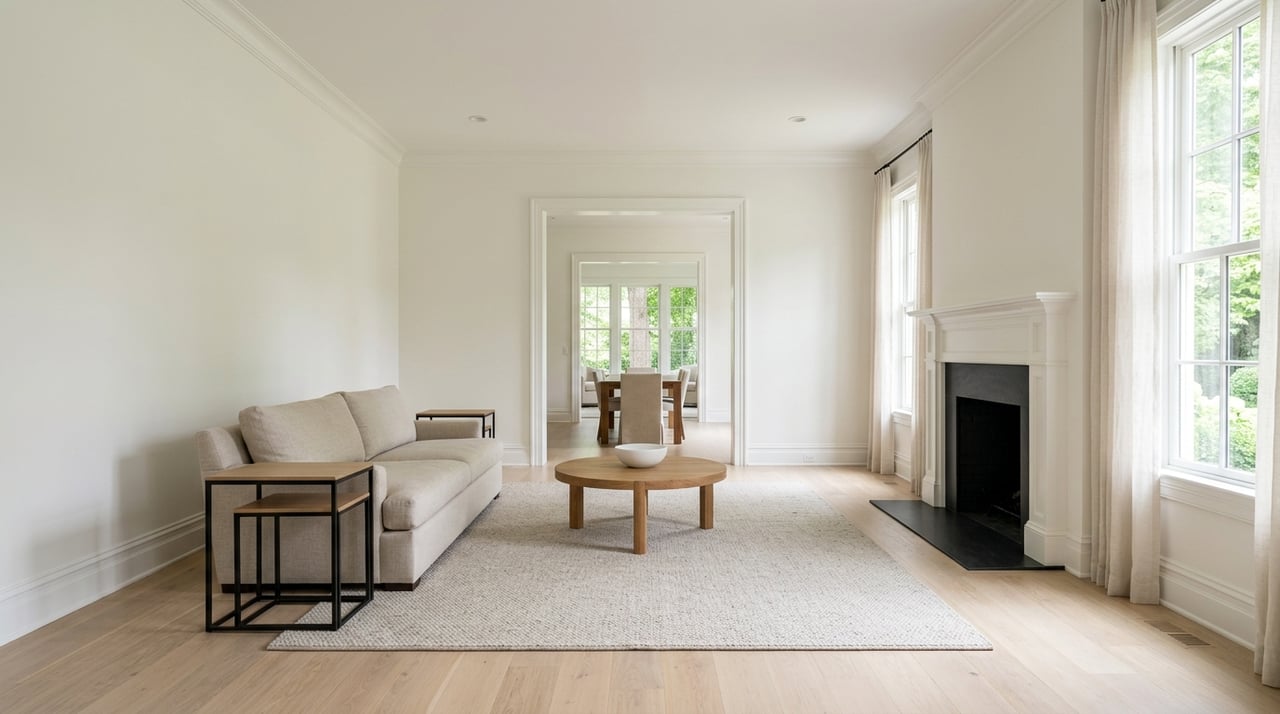
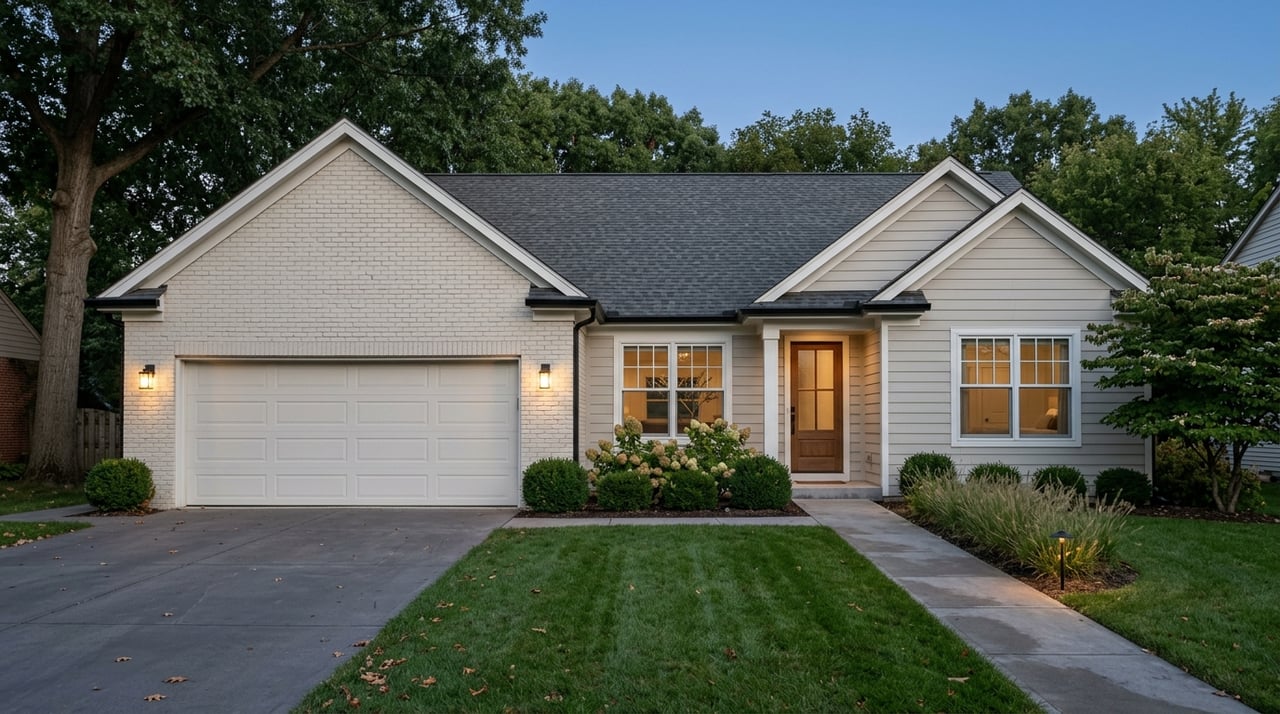
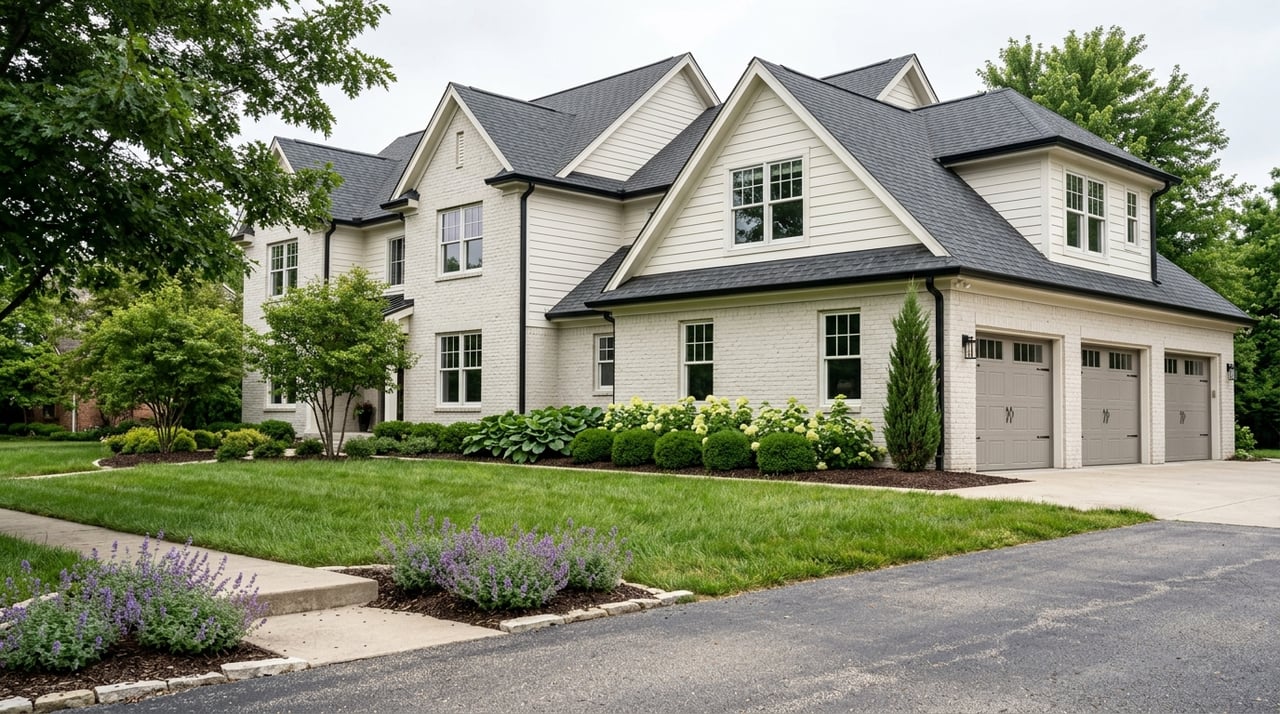
Current listing snapshots also show meaningful variety in lot size and home style. You may see homes on lots around 5,663 or 6,098 square feet, homes on 0.28- to 0.34-acre lots, and larger parcels around 1.95, 5, and even 8.17 acres. Available home styles in the market sample include patio homes, ranch homes, and larger two-story homes, with sizes roughly ranging from 1,500 to more than 5,000 square feet.
Newer Communities Play A Big Role
A major part of the local growth story is Jerome Village. It is a large master-planned community with a community center, town center, and convenient access to I-71 and I-270. That means some Plain City-addressed homes may feel more like part of a newer suburban development than a classic village neighborhood.
This matters if you are moving from Columbus and trying to picture your next chapter. In Plain City, you can find a mix of settings, including established village areas, newer planned neighborhoods, and properties with more land. Your experience will depend a lot on the specific part of 43064 you choose.
School District Boundaries Require A Close Look
If school assignment matters in your home search, do not rely on the mailing address alone. In the Plain City area, school boundaries can vary by parcel. Jonathan Alder Local Schools serves Plain City and nearby rural areas, while some Plain City-addressed communities, including parts of Jerome Village, are in Dublin City Schools.
The key takeaway is simple: verify the district for each specific address. That extra step can save you time and help you compare homes more accurately.
Daily Life Has A Slower Rhythm
Many people moving from Columbus are looking for a calmer pace, and that is one of Plain City’s biggest draws. Because the village is so much smaller, daily life often feels less urban and more residential. You may give up some doorstep convenience, but you often gain more green space and a quieter setting.
Village planning documents support that picture. Residents have expressed interest in preserving a small-town, friendly, safe feel while improving public spaces, trail connections, walkability, and economic development. Planned features such as pedestrian crossings, benches, signage, and greenspace point to a community that is trying to grow thoughtfully.
Uptown Plain City Has A Historic Core
Another difference from Columbus is the feel of the town center. Plain City’s core has a compact, historic character, and local planning materials identify the Grainery and clocktower as Uptown staples. That gives the area a recognizable sense of place that is different from a larger city’s more spread-out commercial pattern.
If you enjoy a setting where local landmarks matter and the center of town still feels distinct, this can be a meaningful lifestyle benefit. It is not the same as living in an urban grid, but that is exactly the appeal for many buyers.
Parks And Outdoor Access Stand Out
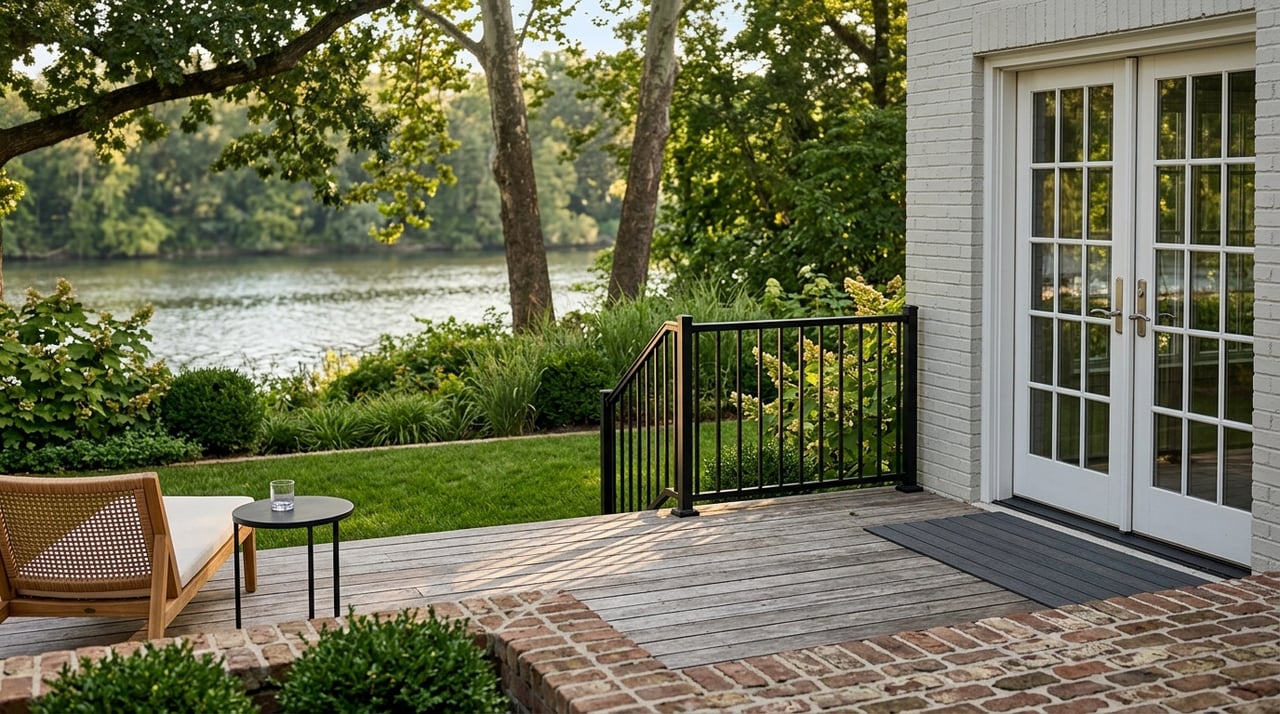
Outdoor recreation is one of Plain City’s strongest lifestyle advantages. If you want easier access to trails, open space, and water-based recreation, this area delivers more than many first-time visitors expect.
Prairie Oaks Metro Park offers the 3.5-mile Darby Creek Greenway trail, along with boating, canoeing, kayaking, fishing, horseback riding, dog-friendly areas, and picnic shelters. Glacier Ridge Metro Park, located in Plain City, spans about 1,037 acres and includes a wetlands boardwalk and a 25-foot observation tower.
For many buyers, this kind of access changes everyday routines. It becomes easier to fit in a walk, spend time outdoors on the weekend, or simply enjoy a little more visual breathing room close to home.
Everyday Amenities Are Close By
Plain City may be smaller, but it still offers useful day-to-day amenities. The Plain City Public Library at 305 W Main Street provides regular hours, meeting rooms, digital collections, and local-history resources. It is the kind of place that adds convenience while also reinforcing the village’s community-centered feel.
Pastime Park is another local anchor. It includes playgrounds, ball diamonds, walking paths, a pool, and community events, and the library’s StoryWalk adds another activity along the park trail. For buyers comparing Columbus and Plain City, these amenities help show that smaller does not mean empty.
Growth Brings Opportunity And Change
One of the most important things to expect in Plain City is ongoing growth. The village has been expanding, with the 2022 economic-development strategy estimating population growth of 9.38% from 2010 to 2022. That growth supports new housing, new public planning efforts, and continued change in how the area functions.
At the same time, growth can bring construction, evolving roads, and changing commercial uses. If you are expecting a fully built-out environment with no nearby development activity, parts of Plain City may feel more dynamic than you had in mind. If you are comfortable with a community in transition, that same growth may feel like a positive sign.
Is Plain City A Good Fit For You?
Plain City can be a strong fit if you want newer housing options, access to parks, and a more village-oriented pace while staying connected to the Columbus metro. It can also appeal to buyers who want more variety in lot size, from low-maintenance options to homes with acreage. For many relocators, that balance is the whole point.
It may be a less natural fit if you want a very walkable urban lifestyle or the density and convenience that come with living in Columbus. The tradeoff is fairly straightforward: less city energy at your doorstep, but more room, more green space, and a quieter daily rhythm.
When you are weighing a move from Columbus to Plain City, the best next step is to compare specific neighborhoods, housing types, and commute patterns against how you actually live. If you want a tailored look at what fits your goals in 43064, Cece Miller can help you sort through the options with clear, local guidance.
FAQs
What is the biggest lifestyle change when moving from Columbus to Plain City?
- The biggest change is scale. Plain City is much smaller and more village-oriented, which often means a quieter pace, less urban density, and more access to green space.
What is the average commute from Plain City for Columbus-area workers?
- Local planning sources report an average commute of about 20.5 to 23.1 minutes, with many trips falling in the 15- to 30-minute range.
What types of homes can you find in Plain City, Ohio?
- The 43064 area includes townhomes, single-family homes, patio homes, ranch homes, larger two-story homes, and properties on lot sizes ranging from smaller suburban parcels to multi-acre sites.
What should buyers know about school districts in Plain City?
- School assignment is address-specific. Some homes are served by Jonathan Alder Local Schools, while some Plain City-addressed communities are in Dublin City Schools.
What amenities does Plain City offer for everyday living?
- Plain City offers local amenities such as the Plain City Public Library and Pastime Park, along with community spaces, walking paths, and regular public-use features.
What outdoor recreation is available near Plain City?
- Plain City has strong access to outdoor recreation, including Glacier Ridge Metro Park and Prairie Oaks Metro Park, with trails, wetlands, boating, fishing, horseback riding, and picnic areas.
Is Plain City still growing?
- Yes. Village planning and economic-development materials show continued growth, new housing development, and ongoing efforts to improve public spaces and connectivity.