Should you buy a new-build or a resale in Plain City? It is a big decision, and the right choice depends on how you live, your timeline, and where you want to invest. If you are weighing both options in ZIP 43064, you are not alone. This guide shows you how to compare costs, timing, risks, and financing so you can choose with confidence. Let’s dive in.
New-build vs resale: what matters in 43064
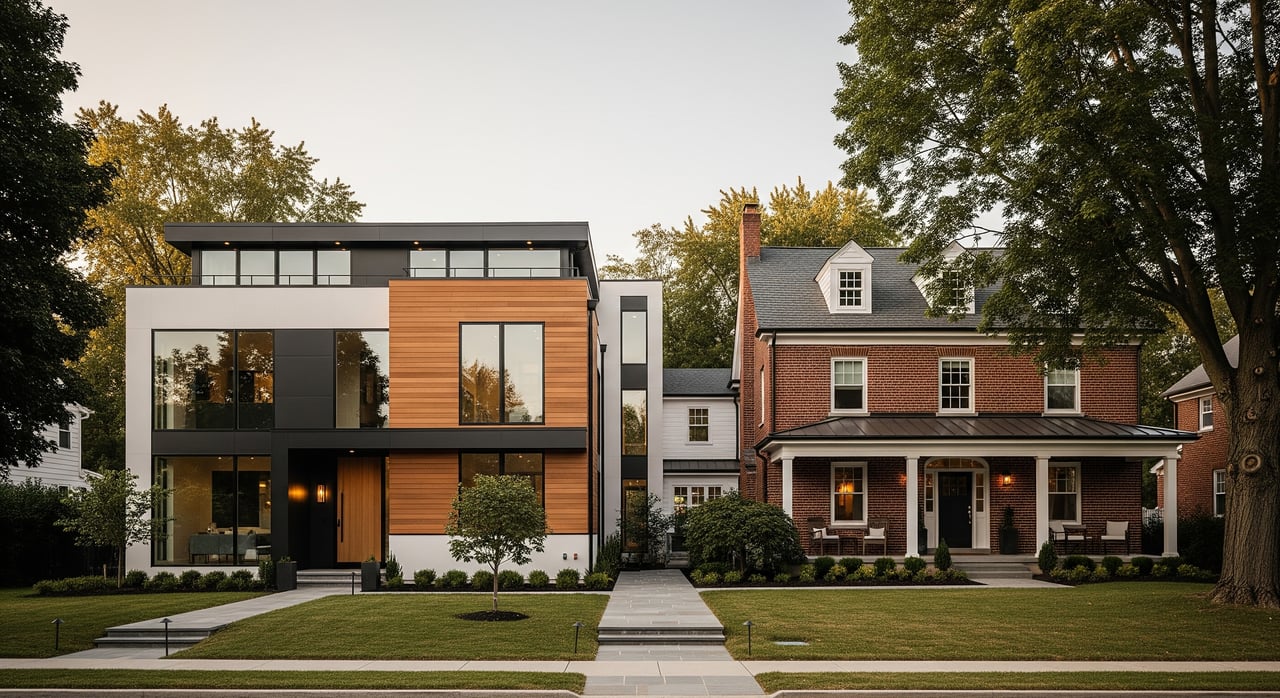
You have strong options in and around Plain City. New communities can offer modern layouts, energy-efficient systems, and the ability to personalize finishes. Established neighborhoods often deliver mature trees, immediate move-in, and proximity to services.
Start with your priorities:
- Customization and modern features usually favor a new-build.
- Faster move-in, often at a lower price per square foot, can favor a resale.
- Lower early maintenance and improved efficiency are common with new construction.
- Established neighborhood character and mature landscaping usually come with resales.
Also think about commute routes and daily life. Plain City sits within the Columbus metro area, and many residents use routes 33, 161, and 42. The location of a new subdivision versus an in-village resale can change your drive time, school assignment, and access to services.
Costs in Plain City: look beyond price
New-build cost components
A builder’s base price rarely tells the full story. Ask for a written breakdown that includes:
- Base price and any lot premium
- Standard features versus optional upgrades
- Landscaping, driveway, and utility hookup fees
- Estimated closing costs and impact fees, if any
Newer homes often deliver lower utility use and early maintenance savings. If the builder provides a Home Energy Rating System score, use it to compare efficiency. You can learn how HERS works from the Residential Energy Services Network’s overview of the HERS Index.
Resale cost components
With a resale, you avoid construction add-ons but may budget for updates. Plan for:
- Immediate repairs or cosmetic refreshes
- System life cycle items, like roof, HVAC, and water heater
- Potential inspection findings that could change your budget
Ask for recent maintenance records and warranties. Evaluate whether a seller credit or a price adjustment makes more sense than tackling projects before closing.
Long-term ownership costs
Factor in property taxes, HOA dues, utilities, and maintenance for both options. New builds may have higher HOA fees if amenities are planned, and some neighborhoods phase in assessments. Resales sometimes have lower ongoing association costs. Ask for the full HOA budget and any future fee schedules in writing.
Timing and logistics: how long will it take?
Resale timeline
A typical resale closes in 30 to 60 days after an accepted offer. You can move fast if you are preapproved, the home appraises at value, and inspection negotiations go smoothly. If you have a home to sell, you can use conventional contingencies or explore a rent-back agreement to line up both moves.
New-build timeline
New construction includes milestones: site prep, foundation, framing, mechanicals, drywall, finishes, inspections, and the certificate of occupancy. Weather, supply chains, and contractor availability can shift schedules. If you are building from dirt, plan for flexibility. If you choose a spec home already under construction, your timeline may be shorter.
Risk and inspections: protect your investment
New-build protections
Builders often provide layered warranties, such as one-year workmanship, two-year systems, and longer structural coverage. Coverage varies, so review what is included and for how long. The National Association of Home Builders offers consumer guidance on builder warranty expectations. Visit the NAHB site to learn how warranties typically work and what questions to ask.
Ask to conduct independent inspections at key stages, like pre-drywall and pre-closing. Confirm that the final certificate of occupancy and all permits are complete before you close.
Resale inspections
Always order a full home inspection and add specialists as needed, such as roof, sewer, radon, or pest. Use the inspection results to negotiate repairs or credits. For older systems, request service records and confirm the age of major components.
Financing and appraisals: key differences
Loan types and requirements
Resale purchases usually use a standard conventional, FHA, or VA loan. New construction can use construction-to-permanent financing, a builder’s preferred lender for a spec home, or a standard mortgage if the home is already complete. For consumer-friendly overviews, see the Consumer Financial Protection Bureau for construction loan basics, the U.S. Department of Housing and Urban Development for FHA information, and the U.S. Department of Veterans Affairs for VA loan programs.
Builders sometimes offer incentives like rate buydowns or closing cost assistance. Compare an incentive to a simple price reduction on a resale to see which is stronger for your monthly payment and long-term equity.
Appraisal considerations
Appraisers rely on comparable sales. If a new-build has many upgrades that push the price above nearby comps, prepare for the risk of an appraisal gap. You can manage this by negotiating concessions, increasing the down payment, or asking your lender for a reconsideration of value if appropriate.
HOA, title, and land details to confirm
New communities often have covenants, architectural rules, and amenity timelines. Ask for the recorded HOA documents, budget, and any planned assessments. For any home, new or resale, have your title company confirm easements, floodplain boundaries, and any conservation or utility set-asides that affect the lot. If you are buying in an established neighborhood with mature landscaping, a current survey helps verify lot lines and fence locations.
Schools and services: neutral, practical checks
School assignment is address specific and can change over time. Verify your exact school assignment with the district registrar before you commit. Also check drive times to grocery, health care, parks, and emergency services at different times of day to see how the location fits your routine.
Side-by-side checklist for Plain City buyers
Use this simple comparison when you have two finalists:
- Total out-the-door cost: price, upgrades, landscaping, utility and setup fees, taxes
- Timeline to possession and your current housing plan
- Inspections and warranties included, plus what you can add
- Nearby comparable sales and future resale potential
- School assignment and commute practicality
- HOA rules, amenity completion schedule, and fee structure
Tips for Plain City sellers competing with new builds
If you are listing a resale near active construction, position your home to win:
- Price with context. Review nearby new-build price-per-square-foot and what is included.
- Close condition gaps. Get estimates for key updates so buyers see the cost to match new finishes.
- Lead with strengths. Highlight mature trees, privacy, lot size, and recent system upgrades with receipts.
- Time the market. If more phases are coming, selling sooner may reduce direct competition.
How Cece Miller Real Estate Group helps you decide
You deserve clear, local guidance shaped by data and a calm, concierge approach. Our team pairs deep Columbus-area expertise with high-touch service to help you map costs, timelines, and risks for both paths. For buyers, we coordinate builder meetings, independent inspections, and financing comparisons, and we source strong resale options on and off market. For sellers, we stage, market, and negotiate to compete head-to-head with new inventory and protect your timeline.
If you want a tailored plan for Plain City and the surrounding suburbs, connect with Cece Miller for a Private Market Consultation.
FAQs
What are the biggest cost differences between a new-build and a resale in Plain City?
- New-builds add lot premiums, upgrades, and setup items, while resales may need repairs or updates, so compare total out-the-door cost rather than just list price.
How long does a new-build usually take compared to a resale purchase?
- Resales often close in 30 to 60 days, while new-build timelines vary by stage and can shift with weather, supply chains, and inspection milestones.
Are builder warranties meaningful for Plain City buyers?
- Many builders provide layered coverage; review the written warranty, confirm what is covered and for how long, and schedule independent inspections before you close.
Can I use FHA or VA financing for new construction?
- Yes, but new construction has extra requirements; verify with your lender and builder and review FHA and VA guidance to understand inspections and approvals.
What appraisal risks should I know about with a new-build?
- Upgrades can put the contract price above nearby comparables, so plan for a possible appraisal gap and discuss options like concessions or additional down payment.