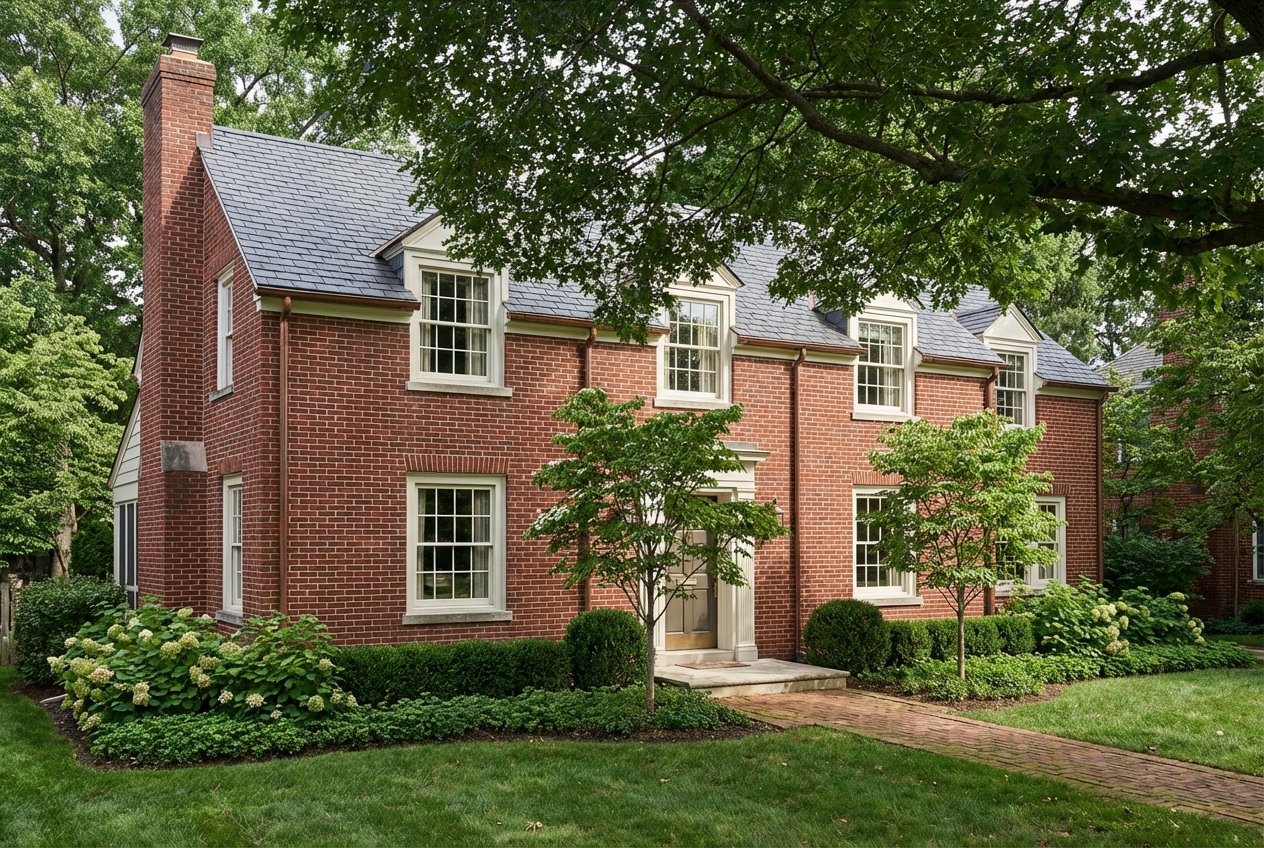
If you have ever walked under Bexley’s tree canopy and wondered what gives these streets their timeless charm, you are not alone. Many of the homes here were built in the early 1900s, and the community takes pride in preserving their character. In this guide, you will learn how to spot Bexley’s signature styles, what layouts to expect inside, and how to plan smart updates that respect local rules and retain value. Let’s dive in.
Why Bexley architecture stands out
Bexley is an inner-ring Columbus suburb known for early 20th-century homes, leafy boulevards, and a community that cares about preservation. Local organizations highlight neighborhood history and architecture through programs and archives at the Bexley Historical Society and the library’s Century Homes program, which has recognized more than 250 homes from the 1920s era.
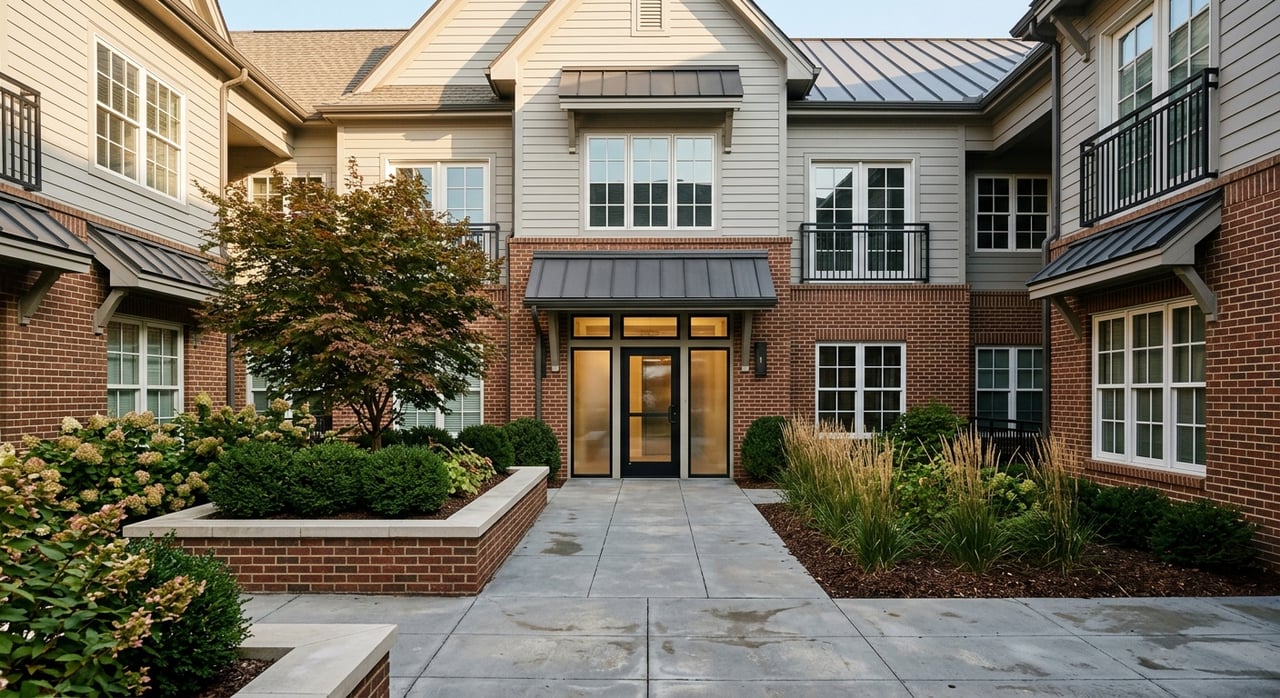
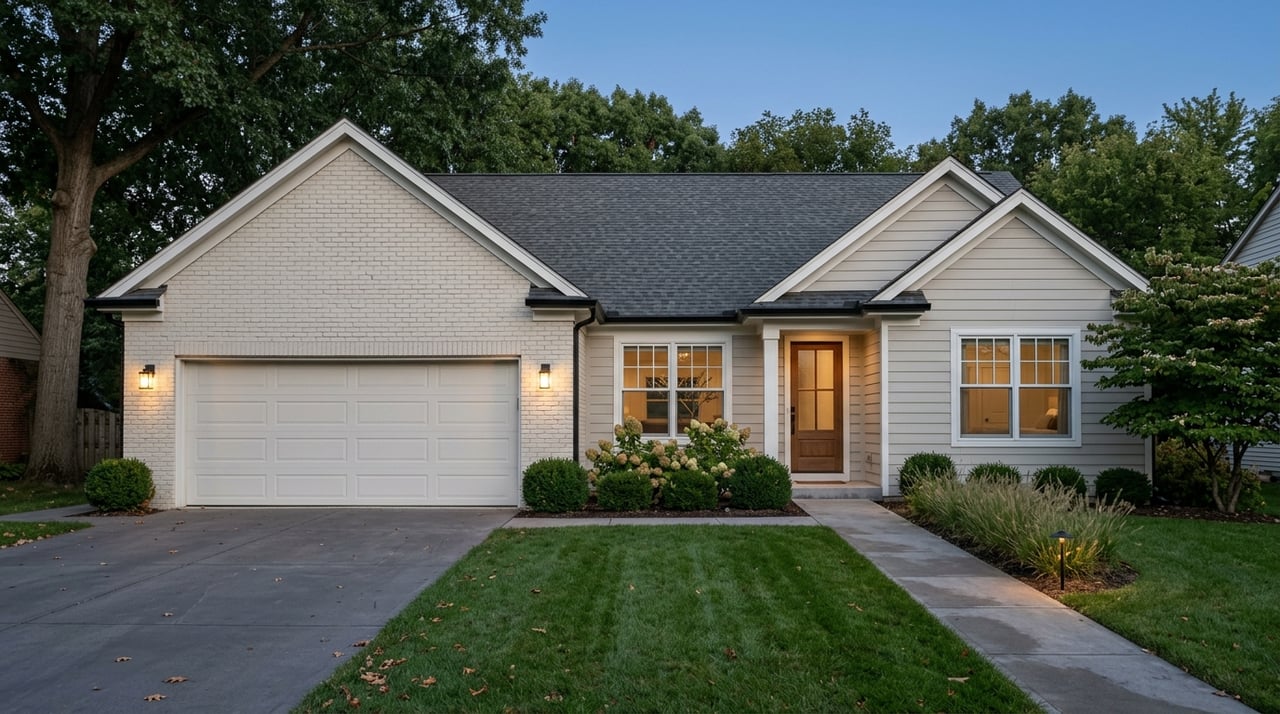
The street scene is part of the appeal. You see sidewalks, mature trees, and front lawns that frame the architecture. Garages often sit behind homes or off a service alley, which keeps the front façade and porch as the visual focus.
Quick style map of Bexley
- Colonial and Georgian Revival: Symmetry, brick façades, centered entry, and formal center-hall plans.
- Tudor Revival: Steep gables, mixed brick and stucco, arched doors, and tall, narrow windows.
- Craftsman and Bungalow: Low-pitched roofs, broad eaves, deep porches, and warm woodwork inside.
- Other common types: American Foursquare, Dutch Colonial, Cape Cod, and a few eclectic late-Victorian forms that add block-by-block variety.
Below, you will find the most common Bexley styles and what to look for as a buyer or homeowner.
Colonial Revival and Georgian
How to spot it
- Symmetrical front with a centered doorway, often under a small portico or pediment.
- Brick walls, double-hung windows spaced evenly, and classical trim or cornice returns.
- Balanced rooflines and simple, formal proportions.
For more visual cues, the National Park Service’s primer on Colonial Revival architecture captures the hallmarks you see across Bexley.
Inside the layout
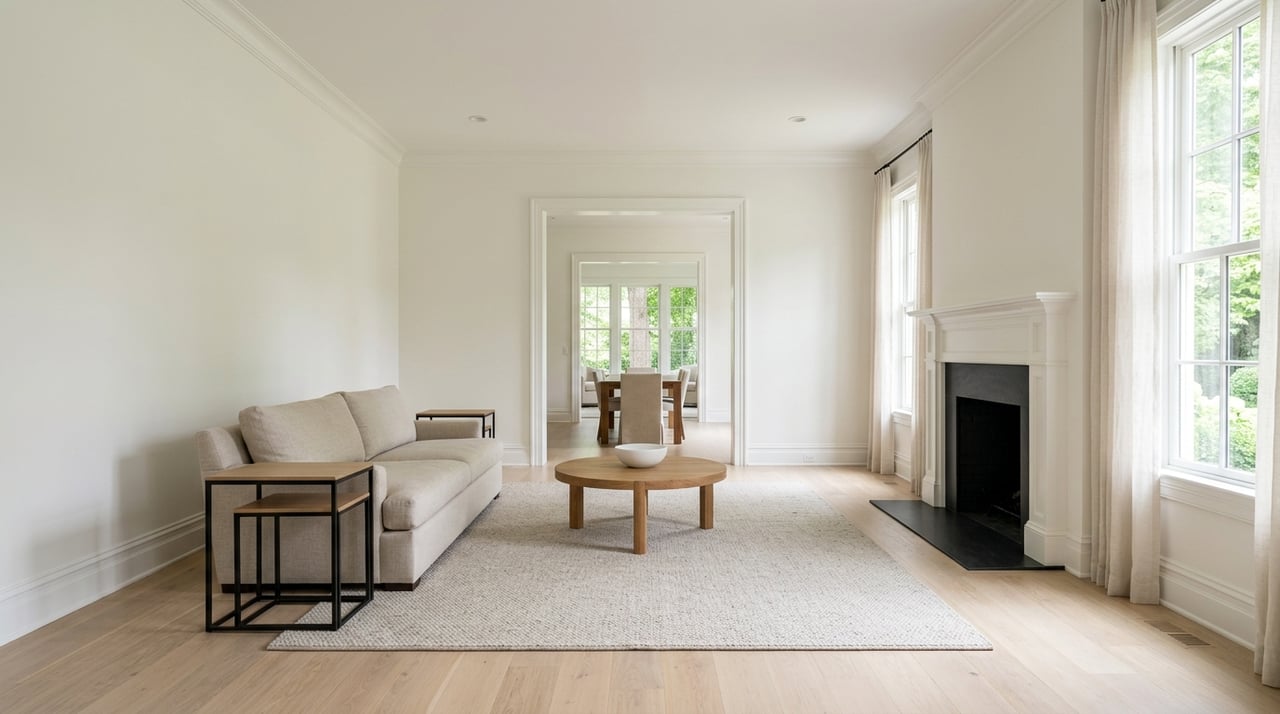
- A center hall that runs front to back with formal living and dining rooms on either side.
- Fireplaces and detailed millwork are common; bedrooms are upstairs.
- Kitchens often sit at the rear and may already be remodeled.
Buyers love
- The classic curb appeal and orderly, room-by-room flow that suits hosting, a home office, or a multi-bedroom household.
Renovation notes in Bexley
- Keep the symmetrical façade intact. If you need more kitchen or family space, plan a rear or recessed addition that preserves the street view. This approach aligns with standard preservation guidance.
- If your project touches the exterior, review Bexley’s Architectural Review Board process early and consult the city’s Residential Design Guidelines before drawing plans.
Tudor Revival
How to spot it
- Steeply pitched cross gables with an often asymmetrical front.
- Brick or stone mixed with stucco, sometimes with decorative half-timbering.
- Prominent chimneys, arched doorways, and tall, narrow casement windows.
These elements are consistent with regional preservation guidance for Tudors, like the features summarized in the MVHPC design guidelines.
Inside the layout
- Cozy, more compartmentalized rooms with nooks and arched interior openings.
- Plaster walls, built-ins, and sometimes beamed ceilings.
- Kitchens may sit behind the main mass and often benefit from a sensitive update that opens to the rear.
Buyers love
- Storybook curb appeal, textured materials, and unique interior character.
Renovation notes in Bexley
- Match original masonry, stucco textures, and half-timber profiles during repairs. Keep rooflines and chimneys true to form.
- Avoid heavy exterior modernizations that alter massing or erase detail. If your scope includes exterior changes, start with the ARB page to understand timing and submittal steps.
Craftsman and Bungalow
How to spot it
- Low-pitched gable roofs with broad eaves and exposed rafter tails.
- Deep front porches with tapered columns on brick or stone piers.
- A mix of natural materials used in a simple, grounded way.
For a helpful overview of Craftsman traits, see the NPS discussion of bungalow-era features in its regional architecture articles.
Inside the layout
- A living room anchored by a fireplace, often open to a dining room, with bedrooms off the main hall.
- Built-ins like bookcases, window seats, or hutches, plus rich wood trim.
- Many are one to one-and-a-half stories, with potential for discreet attic or dormer conversions.
Buyers love
- The porch lifestyle, hand-crafted details, and a casual, comfortable flow.
Renovation notes in Bexley
- Restore porches and keep column bases and rail proportions consistent.
- Preserve original woodwork and built-ins when updating kitchens and baths. These are value drivers in Bexley.
Other common Bexley types
- American Foursquare: A practical, boxy two-story with a simple, efficient layout.
- Dutch Colonial: A gambrel roof with a long, graceful eave line that reads distinct from Colonials.
- Cape Cod and eclectic revivals: Compact forms with traditional details that add variety. These types appear across inner-ring Columbus suburbs, as noted in regional summaries.
Renovating in Bexley: What to know
Start with the rules
Exterior work, including façade changes, rooflines, porch alterations, and additions, can trigger review by Bexley’s Architectural Review Board. Begin at the ARB page and download the city’s Residential Design Guidelines. Early contact with Building and Planning helps you plan for timelines and materials decisions.
Preserve first, modernize second
A proven order of operations keeps you safe and on budget:
- Fix water and structural issues first, including roof, gutters, and drainage.
- Bring mechanicals and electrical up to code and ensure safe operation.
- Update kitchens, baths, and finishes.
- Complete exterior cosmetic work that respects original character.
This sequence aligns with the National Park Service’s Technical Preservation Services guidance and supports long-term performance.
Smart energy and window choices
Insulation, efficient HVAC, and careful window repair can improve comfort without removing historic fabric. The NPS Preservation Briefs offer practical approaches to storm windows and selective repair that protect character while boosting efficiency. Refer to the same NPS guidance when evaluating bids.
Safety checks for older homes
- Lead paint: Homes built before 1978 may contain lead-based paint. The EPA explains how to test and hire lead-safe certified pros in its homeowner guide on protecting your family from lead sources.
- Old wiring: Vintage wiring, including knob-and-tube, and undersized service panels may still be present. Have a licensed electrician evaluate capacity and safety, and see this old-house wiring overview for common findings to budget around.
Timeline and process tips
- The ARB meets monthly, so build that cadence into your plan.
- If you anticipate exterior changes, confirm whether your scope needs ARB review before you design in detail.
- Protect value by retaining character-defining features like original woodwork, fireplaces, built-ins, and good porch proportions.
How to choose your fit
- Choose Colonial Revival if you prefer symmetry, formal rooms, and a traditional front-to-back flow.
- Choose Tudor if distinctive curb presence and cozy rooms speak to you, and you are open to a thoughtful kitchen or family-space update.
- Choose Craftsman if you love porches, visible craftsmanship, and a more casual layout, with the option to finish space under the roof.
When in doubt, tour several examples of each style. Pay attention to natural light, stair placement, and where the kitchen connects to daily life. Picture how you will entertain, work from home, and unwind to decide what fits best.
Partner with a local guide
Bexley rewards careful planning and presentation. Whether you are buying a century home or preparing to sell, you want a team that understands the nuances of style, layout, and the ARB process. Our boutique, concierge approach brings high-production marketing, staging, and trusted vendor referrals to your side, and our deep local knowledge helps you identify updates that add value while honoring character.
If you are ready to find your fit in Bexley or position your home for a premium result, connect with Cece Miller to Request a Private Market Consultation.
FAQs
What defines Bexley’s signature home styles?
- Bexley’s streets feature early 20th-century Colonial Revival, Tudor Revival, and Craftsman homes, plus Foursquares and Dutch Colonials, set on walkable, tree-lined blocks.
Do I need approval for exterior updates in Bexley?
- Many visible exterior changes require review by the Architectural Review Board; start with the city’s ARB page and the Residential Design Guidelines.
What interior layout should I expect in a Colonial Revival home?
- Most have a center hall with formal living and dining rooms, bedrooms upstairs, and a rear kitchen that is often the focus of modern updates.
How can I modernize a Tudor without losing its character?
- Keep exterior massing, chimneys, and stucco or half-timber details intact, and consider opening a rear wing for family-kitchen flow while preserving the street façade.
What inspections are smart for pre-1940 Bexley homes?
- Ask about roof, drainage, foundation, HVAC, and electrical capacity; also plan for lead-safe practices in pre-1978 homes per the EPA’s guidance.