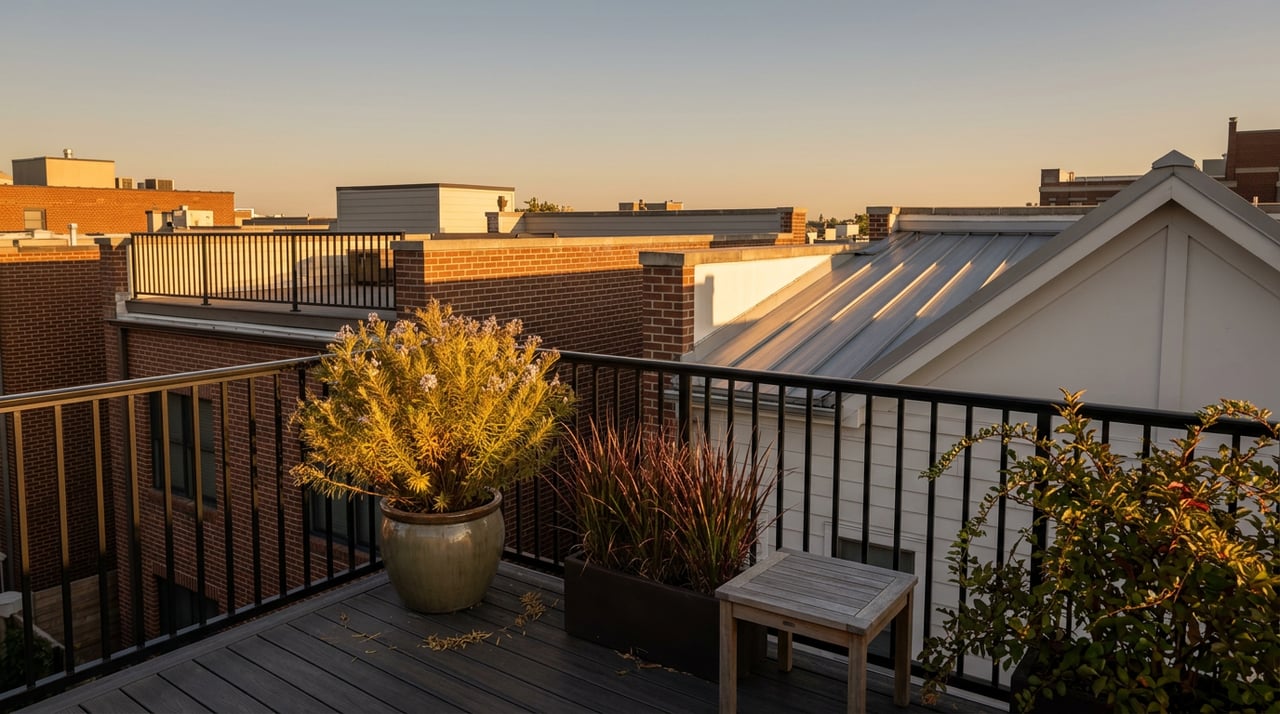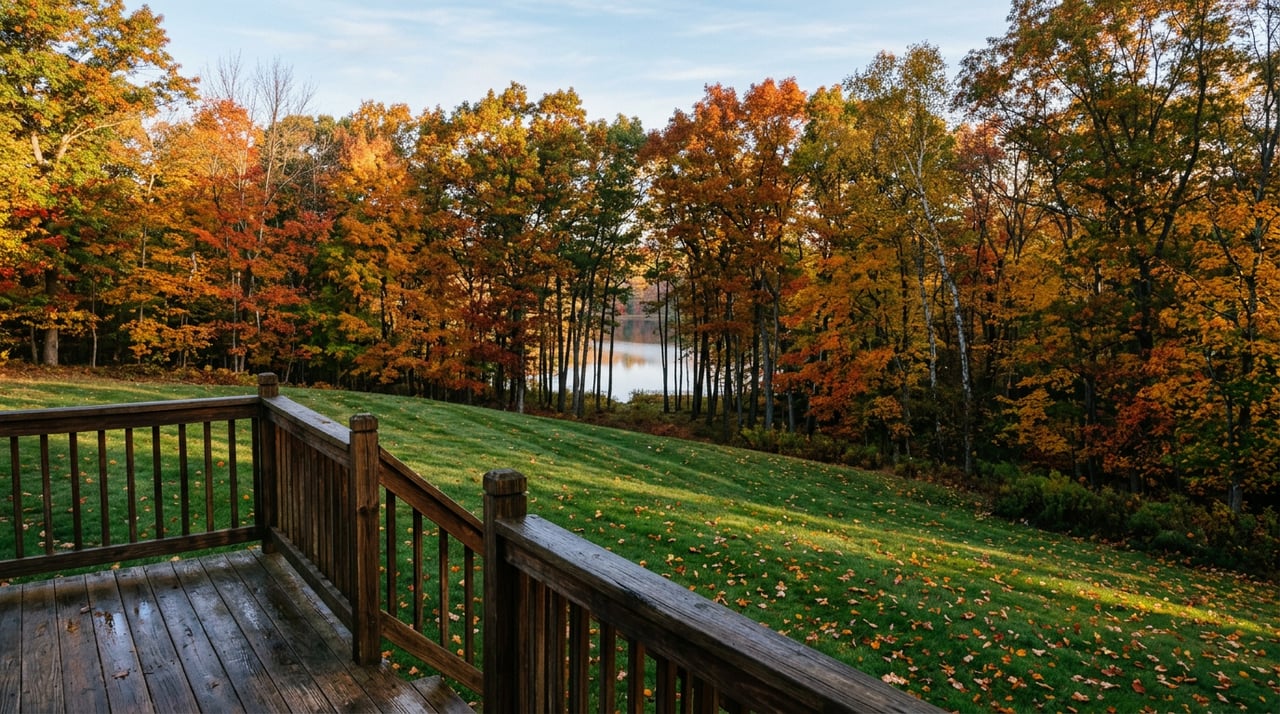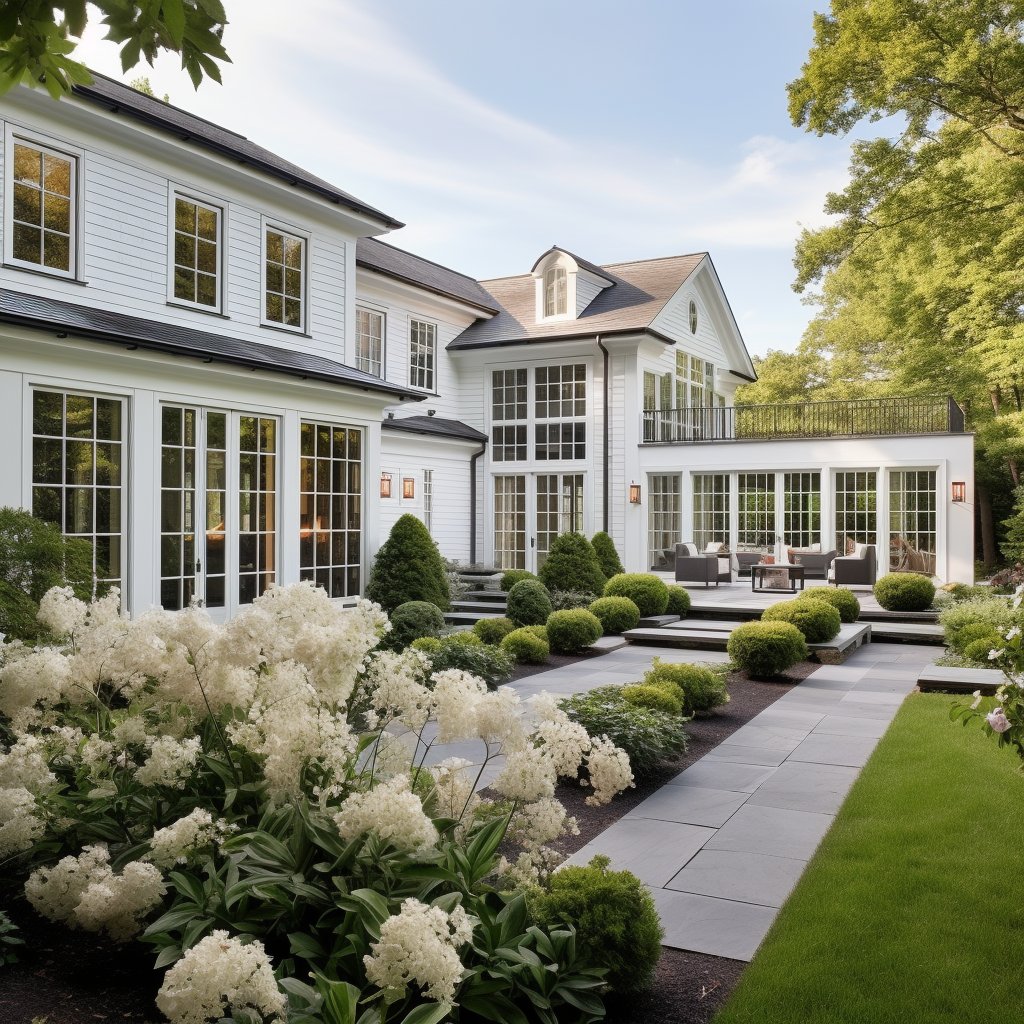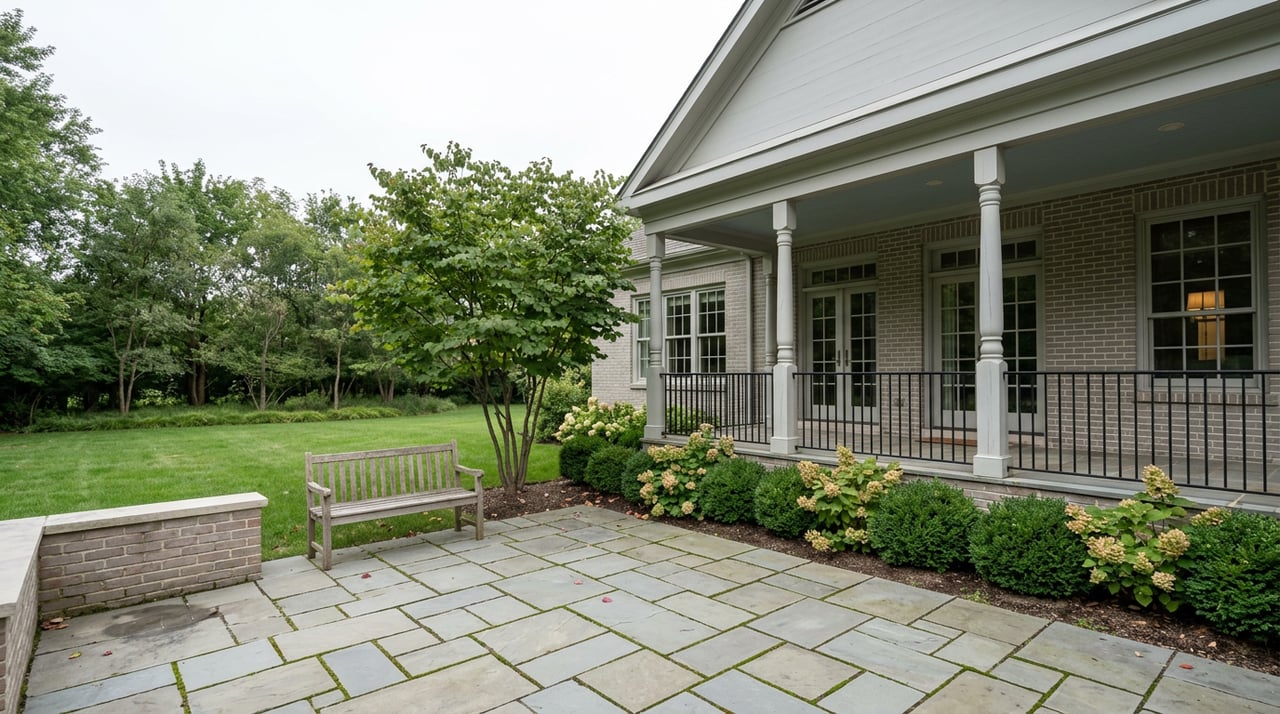
Ask a homeowner in Tartan Fields what they paid for their address and they will quote you a number that includes the fairway view, the brick facade, the wooded lot backing up to the third hole. Ask what it cost to actually use the golf course and you get a different number entirely, one that never appears on the listing sheet, the appraisal, or the closing disclosure.
That gap is the first thing buyers misjudge about this neighborhood. The second is how long it takes to close it.
Two purchases, one closing
A home in Tartan Fields transfers at closing like any other property in Dublin. What doesn't transfer is access to The Club at Tartan Fields, the Arnold Palmer Signature course and clubhouse that give the neighborhood its name and its premium. Membership is sold separately, by the club, on the club's terms.
Industry data on private clubs in the Dublin area puts the average initiation fee around $70,000, and that's before monthly or annual dues start accruing. The club itself markets its membership as intentionally flexible. Its own materials describe the offering as coming with "no food and beverage minimums, no assessments, flexible membership options," with separate golf and social tiers so a buyer can decide how much of the lifestyle they actually want to pay for.
That structure matters for underwriting a purchase here. A $1.5 million home in Tartan Fields and a $1.5 million home in a non-golf Dublin subdivision are not the same monthly commitment once you factor in whether the buyer intends to join. The house is the house. The club is a separate line item, negotiated with a separate party, on a separate schedule.
What membership actually unlocks
For buyers who do join, the club has been reinvesting in what that fee buys. Recent renovations added a member dining room, a private event ballroom, a wine lounge, and outdoor lounge areas to the clubhouse, alongside the existing pool, tennis courts, and walking and biking trails through the community. The club runs men's and women's tournaments and junior golf programs through the season.
None of that is included in a home's appraised value. All of it is available to any member willing to pay the entry fee, whether or not they live on the course.
Why these homes sit longer than the rest of Dublin
Here is where the math gets interesting for anyone timing a sale.
Dublin's overall housing market has been moving quickly through 2026. Citywide, homes were spending a median of 30 days on the market in August 2026, with a separate reading from late July 2026 putting the average closer to 44 days. Either number describes a market where sellers hold real leverage.
Golf-course-adjacent listings tell a different story.
| Segment | Days on market | Snapshot |
|---|---|---|
| Dublin citywide, all price points | 30 to 44 days | August 2026 |
| Dublin golf-course homes, ZIP 43017 ($800K and up) | 202 days average | June 2026 |
| 7828 Tartan Fields Dr, 5 bed, 5,462 sq ft, listed at $1,585,000 | 61 days | June 2026 |
The 202-day average comes from a small pool, five active listings at the time of that snapshot, so it should be read as a signal rather than a law. A single slow-moving estate can pull an average like that upward fast when the sample size is that thin. The 7828 Tartan Fields listing sold closer to the citywide pace, which tells you the range inside this segment is wide.
But the direction of the signal holds regardless of sample size. At $800,000 and up, the pool of qualified buyers shrinks, financing gets more particular, and a golf course view stops being a universal draw and becomes a specific taste. A citywide seller's market does not automatically extend to a $1.5 million estate on the fourth fairway. Pricing and marketing timelines for a Tartan Fields listing should be built around this segment's pace, not the headline number for Dublin as a whole.
A club that has already been through one distressed sale
Before a buyer treats club membership as a permanent fixture of the neighborhood, it's worth knowing that the club itself has changed hands under financial pressure once already.
Tartan Fields was built as the centerpiece of a community developed by Tom Anderson, who also developed the Golf Club of Dublin. The private club defaulted on a loan and went into receivership in 2009. It stayed there until December 2013, when CF Arcis LLC, an affiliate of Fortress Investment Group, acquired the financially challenged club for $5.87 million.
That entity became the seed of what is now Arcis Golf, a Dallas-based operator that has since grown to roughly 88 golf properties nationally, including six private clubs in Ohio: TPC River's Bend and Four Bridges Country Club near Cincinnati, Tartan Fields in Dublin, and three clubs in the Cleveland area. Arcis says it has invested more than $150 million across its portfolio over the past four years on clubhouse upgrades, amenities, and staffing.
None of this means the club is at risk today. A national operator with capital to reinvest is a different ownership structure than an undercapitalized developer facing a loan default, and the renovated clubhouse is evidence the current owner is putting money back into the property. But it does mean that club stability is a separate question from home value, one worth its own line of due diligence rather than an assumption that comes bundled with the real estate.
Frequently asked questions
Do I have to join the club to buy a home in Tartan Fields? No. Homeownership and club membership are handled as two separate transactions. Buyers choose whether to apply for social or golf membership after closing on the property.
Why do golf course homes in Dublin take longer to sell than the citywide average? The buyer pool at $800,000 and above is smaller and more selective than the broader Dublin market, and a golf course view appeals to a narrower set of buyers than a standard suburban lot. That combination stretches the typical timeline even when the rest of the city is moving fast.
Has the ownership of The Club at Tartan Fields changed recently? The club has been under Arcis Golf's ownership and operation since the company's predecessor entity acquired it in December 2013, following a 2009 loan default and receivership under its original developer.
Understanding what a Tartan Fields price tag does and doesn't include, and what the sales timeline for this segment actually looks like, is the kind of groundwork that changes how a listing gets priced or an offer gets structured. If you're weighing a purchase or a sale in this neighborhood, Cece Miller can walk through the specifics with you. Request a Private Market Consultation to start that conversation.