A house can carry a 43212 zip code and sit inside Grandview Heights, Columbus, Upper Arlington, or Marble Cliff. The mailing address alone will not tell you which. Grandview Heights shares that zip with three neighboring jurisdictions, so a buyer comparing listings by zip code can end up pricing a Grandview Heights bungalow against a home that pays different taxes, answers to a different school district, and sits outside the city limits entirely. Confirming the actual boundary means checking the Franklin County Auditor's property record, not the envelope.
That mismatch is a small, specific example of a larger pattern in this market. Grandview Heights publishes one median price. That number is doing more work than it looks like it's doing, because it is quietly averaging two different housing products that don't behave the same way and aren't sold to the same buyer.
What $650,000 Actually Describes
Over the three months ending June 2026, the median sale price in Grandview Heights was $650,000, up 9.2% from the same stretch a year earlier. Price per square foot came in at $364, up 14.1% year over year. Homes sold in an average of 33 days, three days slower than the prior year, and 46 homes closed in June 2026 compared to 42 in June 2025.
Read as a single trend line, that looks like a market appreciating steadily across the board. It isn't, and the reason has to do with what's actually being sold.
A City Built Twice
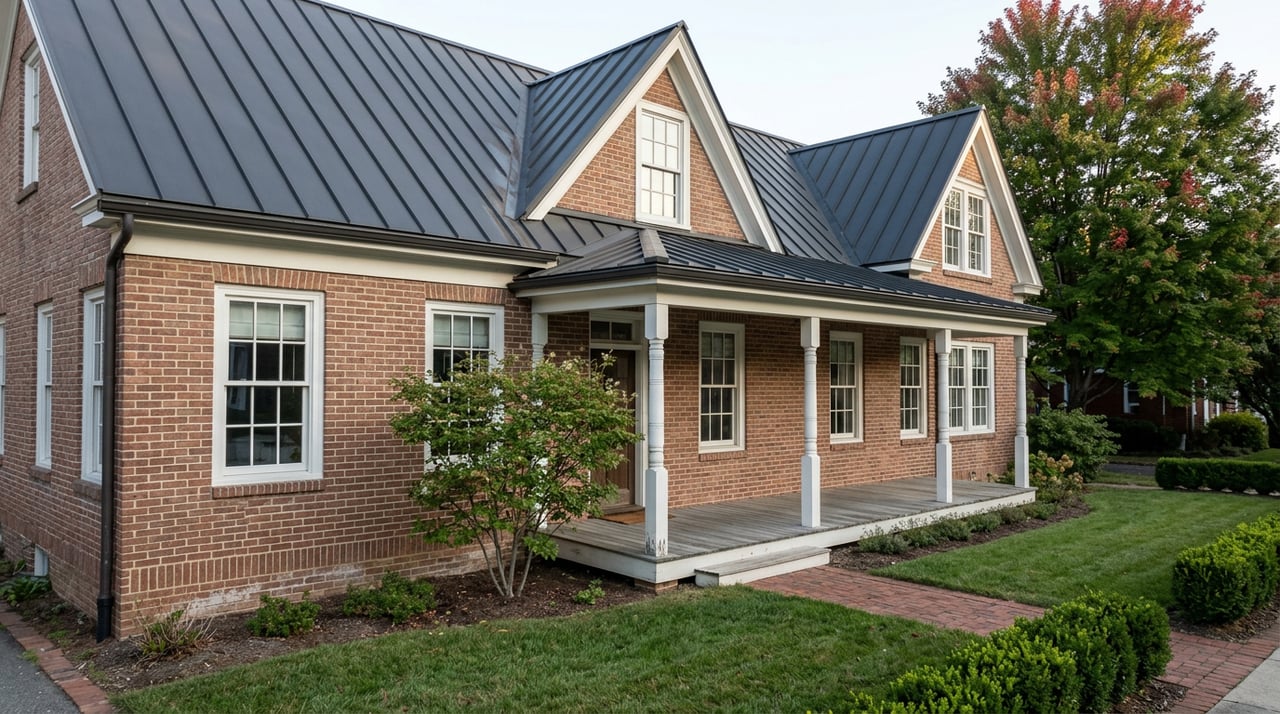
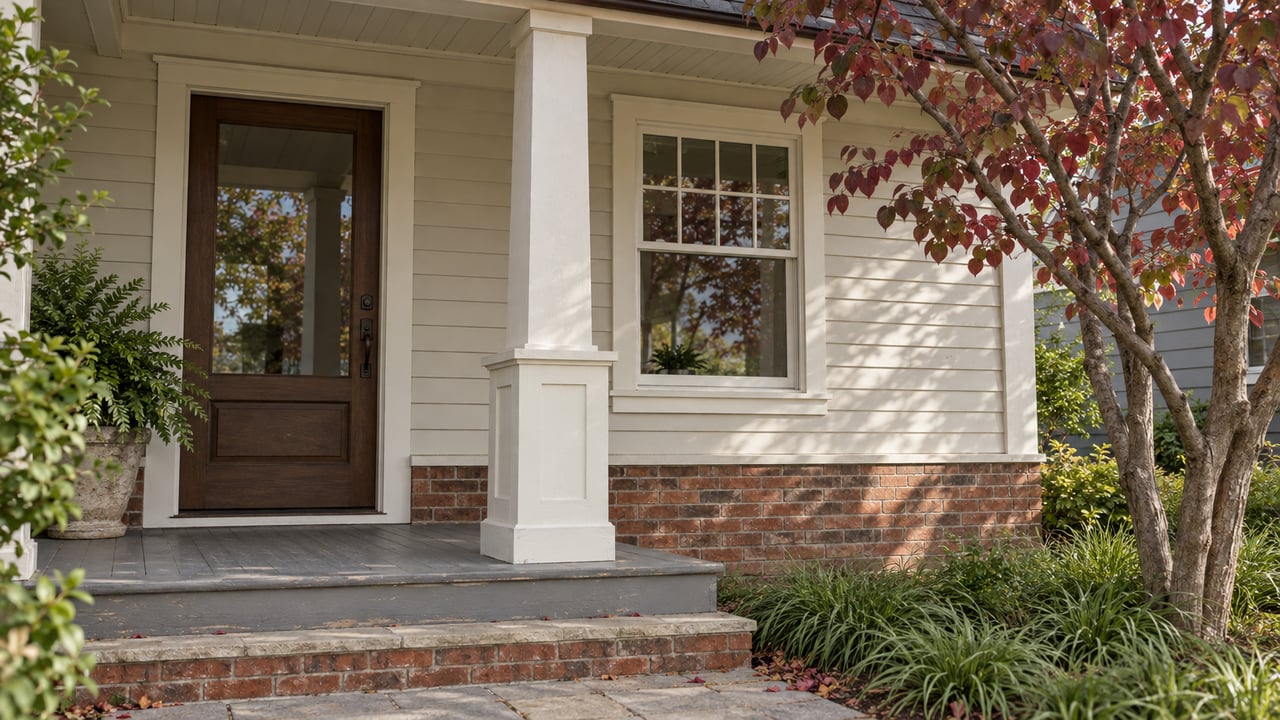
Grandview Heights covers 1.33 square miles and is essentially fully built out. Most of what's for sale was built the first time the city was built: Craftsman bungalows, Cape Cods, and American Foursquares dating to the 1920s through the 1950s, with a median construction year of 1954. This is the housing stock that gives the Grandview Avenue and First Avenue grid its character, and it's the majority of what a buyer will actually be shown.
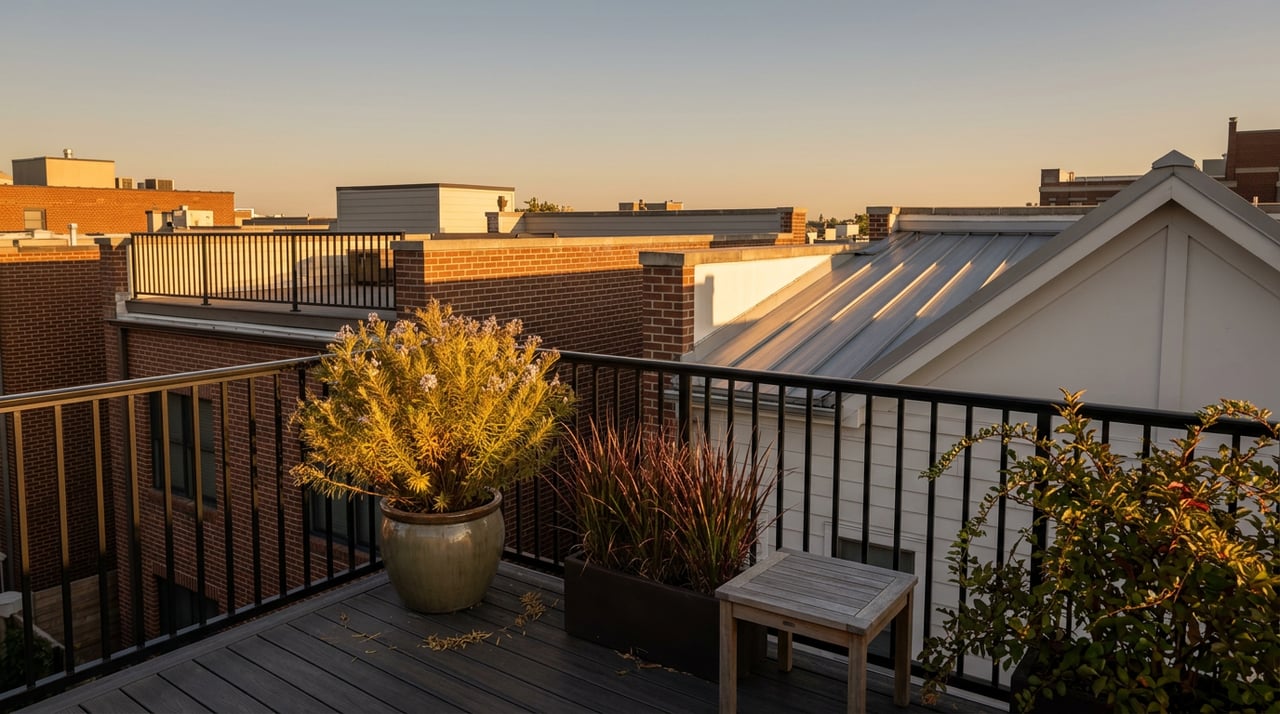
The second Grandview Heights is newer and smaller. Grandview Yard, the mixed-use development on the eastern edge of the city, added luxury condos and townhomes priced from roughly $400,000 to $800,000-plus. Separately, a handful of teardown-rebuild projects on existing lots typically list well above $700,000. Neither of these products existed in this market a generation ago, and neither behaves like a renovated 1930s Foursquare on a legacy street.
These aren't two flavors of the same thing. A buyer choosing between a Yard condo and a First Avenue bungalow is choosing between new construction with modern mechanicals and a century home whose value depends heavily on what's been updated and what hasn't. They compete for some of the same buyers and none of the same inspection reports.
Why the Median Moves the Way It Does
With typically only 10 to 15 active listings at any given time, and around 40 to 46 closings in a given month, Grandview Heights is a small sample. That matters for how the median should be read.
When a market this size posts a 9.2% year-over-year jump in median price, that jump can come from actual appreciation, or it can come from which product happened to close that quarter. A month with three Grandview Yard condo sales and a month with three renovated-bungalow sales will produce different medians even if neither individual product changed in value at all. The number moves because the mix moved, not necessarily because every home in the city is worth more than it was twelve months ago.
This is the detail that gets lost when a median is treated as a single, uniform signal. In a market with hundreds of monthly transactions, product mix evens out and the median tracks something close to real appreciation. In a market with 46 sales, three or four unusual closings can swing the headline number in a way that has nothing to do with what a specific bungalow on a specific block is actually worth this year.
Corridor Matters as Much as Era
Position within the city adds a second layer. Grandview Avenue is the commercial spine, lined with restaurants, shops, and long-established businesses, and homes near it trade on walkability to that activity. First Avenue runs the other axis, connecting the public library, which has occupied its First Avenue building since 1936, along with the schools and additional neighborhood businesses. The two corridors give the city a specific balance: residents can reach daily errands on foot without living directly on top of a commercial block.
Green space follows a similar pattern. Wyman Woods offers trails and a StoryWalk, Pierce Field carries tennis and pickleball courts, and the Bank Block, a 1927 commercial building renovated in the 1970s and listed on the National Register of Historic Places, anchors the historic retail core. A home two blocks from Wyman Woods and a home two blocks from the Bank Block are both "Grandview Heights," but they're not interchangeable, and a comp pulled from the wrong corridor will mislead a buyer or seller just as easily as a comp pulled from the wrong era of construction.
What This Means If You're Comparing Neighborhoods
If you're weighing Grandview Heights against another Central Ohio suburb using the published median as your yardstick, that number is telling you less than it appears to. The more useful questions are narrower:
- Is this listing part of the original 1920s to 1950s housing stock, or is it Grandview Yard new construction, or a teardown-rebuild?
- Which corridor is it on, Grandview Avenue's commercial spine or the First Avenue side near the library and schools?
- Does the property actually sit inside Grandview Heights city limits and its school district, or does it simply share the 43212 zip code with Columbus, Upper Arlington, or Marble Cliff?
Answering those three questions for any specific address will tell you more about what you're actually paying for than the citywide median ever will, because the median is an average of products that were never meant to be averaged together.
Frequently Asked Questions
Does a 43212 zip code mean a home is in the Grandview Heights school district? No. The zip code is shared with parts of Columbus, Upper Arlington, and Marble Cliff. School district and city services are determined by the actual municipal boundary, which the Franklin County Auditor's property search can confirm for a specific address.
Why did the median price rise faster than price per square foot in the same period? Median price and price per square foot measure different things, and in a market this small, they can move at different rates depending on which specific homes sold. A jump in one without a matching jump in the other is often a sign that the sales mix shifted rather than that every home in the city gained value uniformly.
Are Grandview Yard condos and older bungalows priced by the same rules? Not really. New construction is priced against build cost and current finishes. Older housing stock is priced against the specific scope and quality of past renovations, since two 1930s Foursquares on the same block can vary widely in value depending on what's been updated inside.
If you're comparing Grandview Heights against other Central Ohio suburbs and want the comp set built around the specific product and corridor you're actually considering, rather than a citywide average, Cece Miller puts together that kind of side-by-side read before you write an offer.